


 Locations




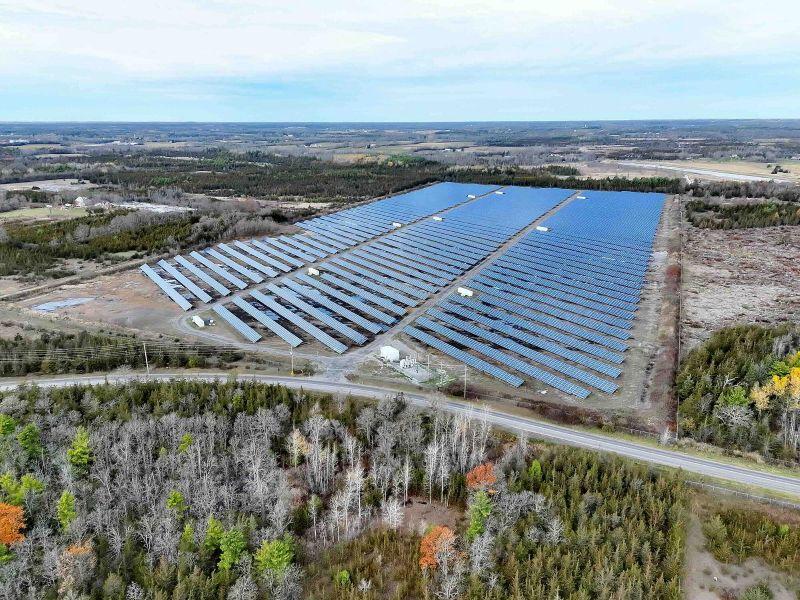
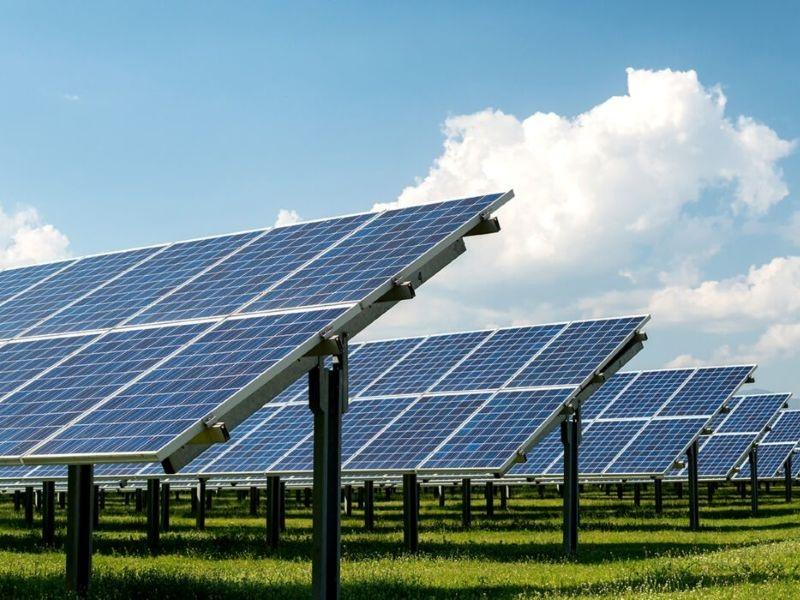
Skyline Clean Energy Fund has made its largest transaction for solar assets to date, acquiring 76 megawatts (MW) of installed solar capacity in Ontario and expanding its solar portfolio by 83 per cent.
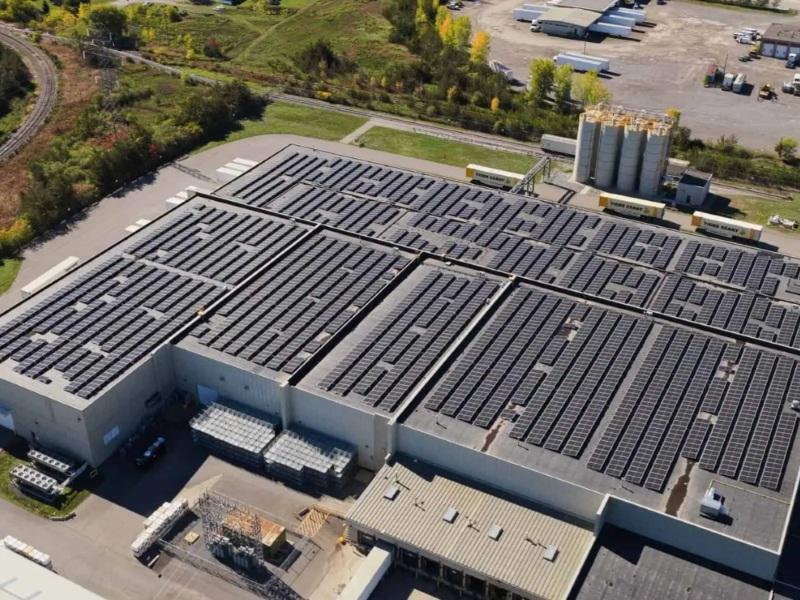
Based in Guelph, the private renewable energy infrastructure fund purchased 3,291 solar assets in early September, including commercial, industrial and residential rooftop and ground-mount projects.
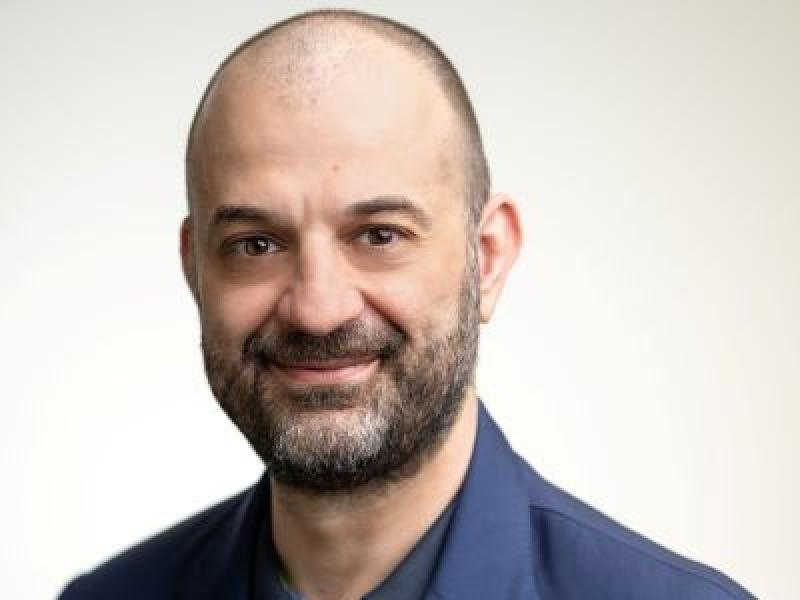
Skyline’s solar portfolio grew from over 90 MW of capacity to almost 172 MW with the acquisition, its vice-president Matt Kennedy said in an interview with Sustainable Biz Canada. Additionally, the fund’s assets under management rose from approximately $425 million to around $500 million.
The acquisition “fit really nicely” with Skyline’s portfolio and aligns with the fund’s strategy of buying value-add assets that are “essential to Ontario’s grid,” he said.
Skyline is seeing increasing demand for energy in Ontario, and feels “solar really plays a critical part in meeting that energy demand moving forward, with it being one of the lowest-cost forms of energy,” Kennedy said.
Kennedy declined to disclose the value of the transaction.
From receivership to 'attractive returns'
Skyline Clean Energy Fund is one of several funds offered by Skyline Wealth Management Inc. Also based in Guelph, parent company Skyline is an investor, developer and manager of real estate and infrastructure.
The clean energy fund owns and manages a mix of solar and biogas facilities. The fund's portfolio generated more than 117,000 megawatt-hours of electricity in 2025, enough to power 15,429 homes for a year, according to the company’s sustainability report.
The September acquisition included installations located mainly in the south and southwest of Ontario. The assets were acquired under receivership, Kennedy said, part of a distressed portfolio in need of maintenance and capital injections to “really surface value.”
Skyline has initiated a remediation program for the assets, particularly the offline sites. The fund has begun an “aggressive, corrective maintenance program” focused on fuse and inverter replacements, among other work, Kennedy said. Four to five sites have been made operational since the acquisition, he added.
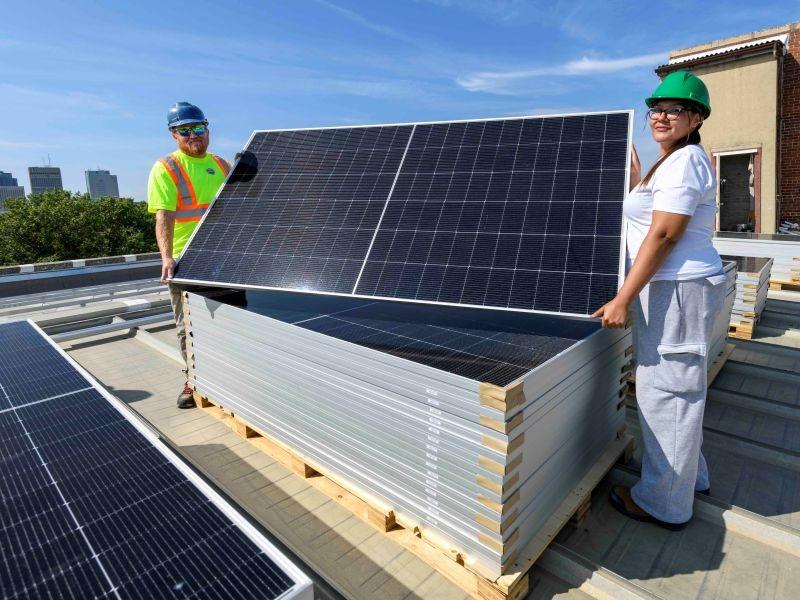
The work to remediate the newly acquired portfolio complements Skyline’s repowering project. Launched less than two years ago, the $68-million project involves upgrading 19 solar assets to improve their efficiency as they age and degrade. The work includes replacing modules installed about 15 years ago with more efficient versions, Kennedy said.
“There are attractive returns associated with this program,” he added.
The repowering effort is expected to positively impact revenue generation and returns for investors, Kennedy said, while also resetting asset life and reducing maintenance costs.
Skyline’s largest acquisition before the September deal was the purchase of seven ground-mount solar sites in December 2023, with approximately 48 MW of capacity.
Contributing to Ontario's need for electricity
Electricity from the newly acquired assets flows to Ontario’s grid under long-term, fixed-price feed-in tariff (FIT) and microFIT contracts, which pay renewable energy producers per kilowatt-hour of electricity supplied.
The long-term stability of the FIT programs was another factor in the acquisition. A microFIT contract, for example, can last 20 years.
Another contributing factor to the acquisition is the long-term procurements from the Independent Electricity System Operator (IESO), particularly solar and battery energy storage projects, Kennedy said. The province’s electricity system manager anticipates a 65 per cent increase in electricity demand between 2026 and 2050. The IESO aims to meet that demand with new and refurbished nuclear power, wind and solar, gas-fired generation and stationary batteries.
It is also a signal the IESO wants existing solar assets to remain operating, as power generation capacity is in high demand and needed to supplement new projects as they come online, Kennedy said.
Skyline remains interested in new opportunities, Kennedy said, but its priorities for now are bringing the newly acquired installations back online and completing the repowering initiative.


 Industry Events
 Locations
