
 Locations
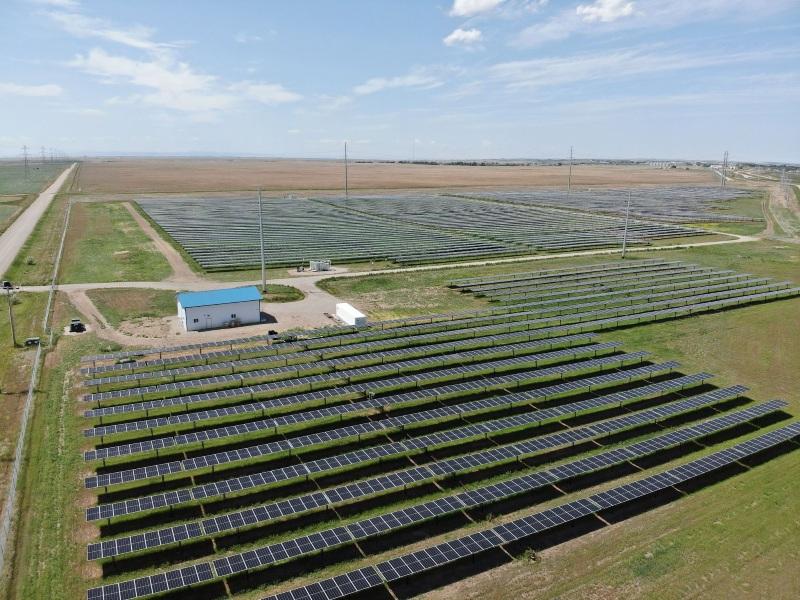





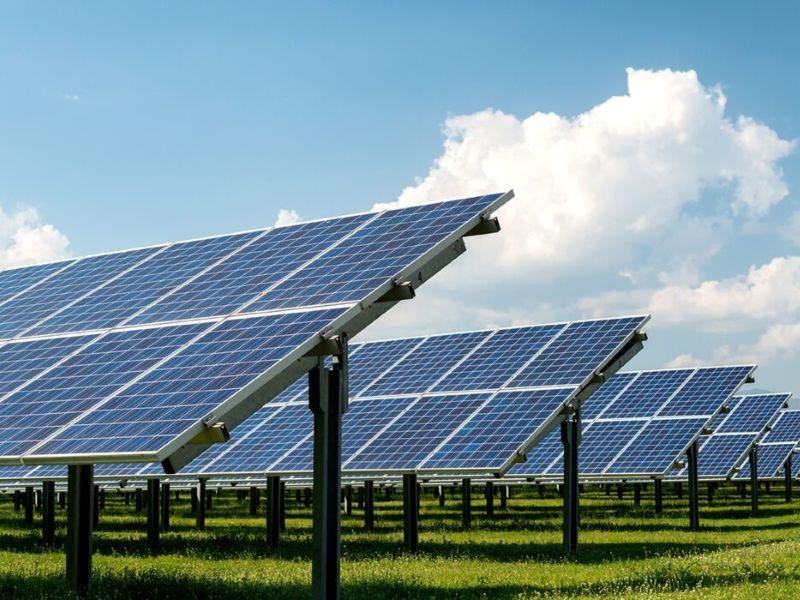
Spurred by the surge in artificial intelligence (AI) data centres, Westbridge Renewable Energy (WEB-X) plans to sell its stakes in the Red Willow solar project in Alberta for up to $26.7 million, the Calgary-based renewable energy developer said.
Red Willow is to be located in Stettler County, a municipal district halfway between Edmonton and Calgary. It is planned to generate up to 225 megawatts (MW) AC of electricity and is proposed to be paired with a 100 megawatt-hour (mW-h) battery energy storage system.
Westbridge did not disclose the entity it plans to sell the project to, nor when construction on Red Willow is to start or when operations are expected to begin.
Under the terms of the agreement, Westbridge is to sell its shares in its wholly owned subsidiary Red Willow Solar Inc. and receive an upfront cash payment at closing of the transaction, with milestone payments if all conditions in the agreement are met.
The project has received power plant and substation approvals from the Alberta Utilities Commission and holds an interconnection position in the Alberta Electric System Operator (AESO) process, Westbridge said in a Friday morning release.
"The sale of Red Willow represents another important validation of Westbridge's development and monetization strategy,” Stefano Romanin, CEO of Westbridge, said in the release. Red Willow, he continued, is “an excellent example” of its Alberta platform and shows “continued demand for well-positioned renewable energy and energy storage assets.”
Sustainable Biz Canada reached out to Westbridge for comment, but did not receive a reply by time of publication.
More certainty, data centres boost demand for solar, batteries
Westbridge pointed to two market developments that backed the case for the transaction.
The first is greater certainty from an agreement signed between the Canadian and Alberta governments for Alberta's Technology Innovation and Emissions Reduction system. It sets a rising carbon price from 2026 to 2040, encouraging clean energy development in Alberta.
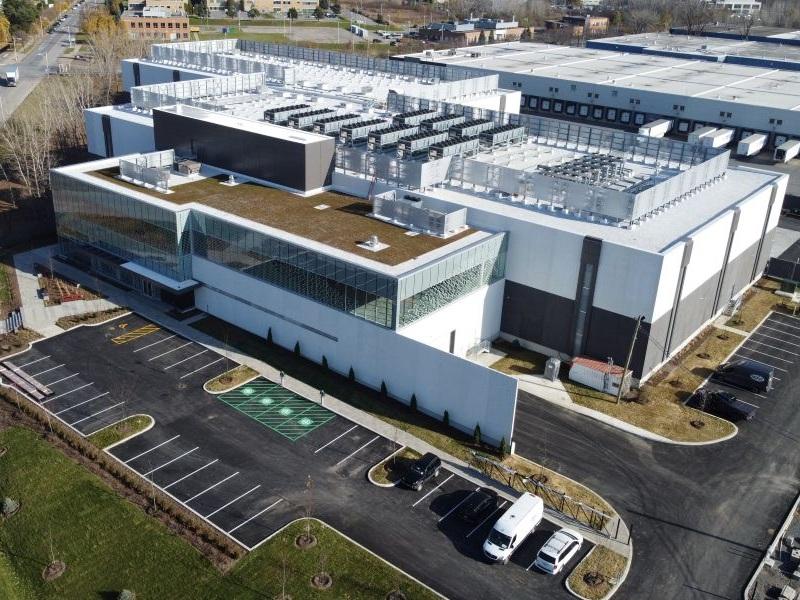
The second is a forecast surge in electricity demand from large loads and data centres. Companies such as Meta have flocked to Alberta to establish the internet and AI infrastructure, adding pressure on the province's grid.
While renewables are a popular choice to meet that demand, a great deal is expected to be satisfied with fossil fuel generation, particularly natural gas in North America. This would challenge the sustainability targets of operators like Meta, which is proposing to link its $13-billion Alberta data centre to a gas plant.
Prospective large-load transmission service requests reported by the AESO, Westbridge said, have exceeded 16 gigawatts (GW), compared to Alberta's current system peak of approximately 12 GW. If the prospective demand is developed and connected, it could “contribute to firmer electricity prices and improve the economics of new generation in the province,” Westbridge said, with solar generation and battery storage capable of supplying the demand.
Westbridge’s in-development projects in Alberta include:
- the Dolcy project in the Municipal District of Wainwright with up to 300 MW AC of solar paired with up to 100 MW of battery storage; and
- Eastervale Solar located in Municipal District of Provost, projected to have up to 300 MW DC of solar generation capacity.
Additionally, over 700 mW-h of standalone energy storage projects are in the pipeline. In January 2025, then-Westbridge CEO Scott Kelly told Sustainable Biz Canada the company had 539 mW-h of stationary batteries in development in Alberta.
Westbridge aiming for U.S. market
The trend for AI infrastructure is taking shape in the U.S. too, Westbridge continued, opening an opportunity for its renewables and energy storage projects to power data centres.
Westbridge’s developments in the U.S. include:
- the 231 MW DC Accalia solar project in Texas;
- the Southern Prairie 200 MW AC solar and 55 MW battery project in Louisiana; and
- the 130 MW DC Delphine solar project, also in Louisiana.
Westbridge is also developing facilities in Alabama and Colorado, which the company said reflects its “integrated approach to pairing power generation, storage and compute-ready sites.”
The fastest way to add generation capacity in many U.S. markets, Romanin said, is utility-scale solar paired with batteries.
"We have spent years building a development portfolio across the United States, including in states where data-centre demand is growing quickly," he continued, "and we believe that positions us to help supply the clean, reliable power this build-out needs."


 Industry Events
 Locations