Locations

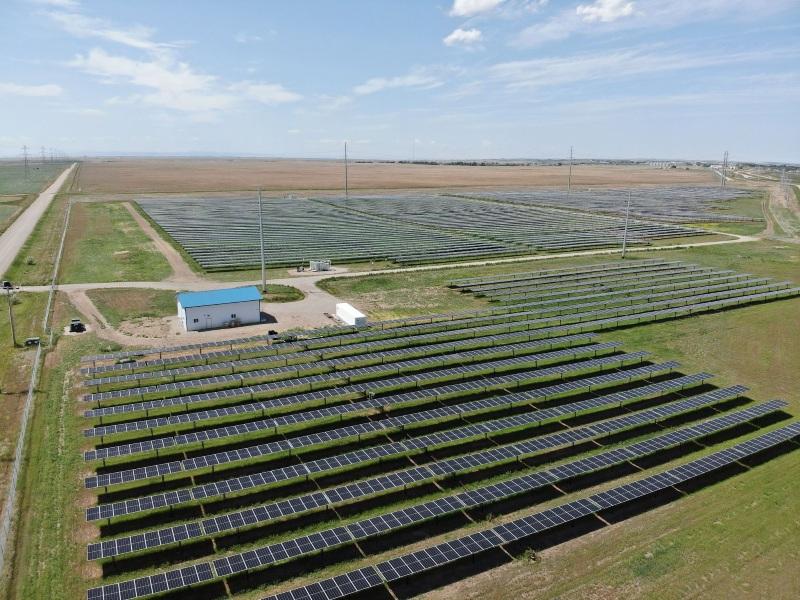




GUEST SUBMISSION: Ontario’s latest power procurement exercise has demonstrated that solar energy, wind energy and batteries are able to compete their way into providing a larger portion of Ontario’s energy supply.
The economic appeal of renewables in Ontario is even more remarkable considering that Ontario is not the sunniest or windiest of places. The weighted average price of the new contracts was $87.80 per megawatt-hour, or less than nine cents per kilowatt-hour. For context, open competitions in Quebec, Nova Scotia and British Columbia in the last two years have yielded even lower prices for renewable energy.
Notably, all the successful power projects in Ontario's Second Long-Term Request For Proposals had to meet unusually stringent requirements. They all included at least 50 per cent Indigenous equity ownership, and the projects proposed within municipalities were supported by Municipal Support Confirmations.
Going further, the Ontario government noted that, “The projects were selected with robust criteria, including sole Canadian ownership, no impact on Prime Agricultural Areas and being located on lands that are already zoned for industrial energy projects.”
Despite what appear to be historic changes, the availability of low-cost renewables and storage does not mean there will be no role for fossil fuel-based electricity in the future. There will likely be times and places in Ontario where fossil fuels will be the most appropriate and even the least expensive source of electricity.
If demand grows as rapidly as most experts expect, the province will likely need to see growth in all reasonably available forms of generation. This is what’s known as an “all of the above strategy” where renewables play just one part, albeit an important and growing one. But these results demonstrate that, in general, at least for new province-wide bulk power, renewables now have an easily verified kind of financial appeal.
Makeup of Ontario's energy supply mix
Ontario’s energy supply mix won’t change overnight. While solar and wind may be the least expensive sources of new electricity, the majority of supply will continue to come from existing power plants, largely nuclear, natural gas and hydro, which are typically less expensive than new supply. But it is the comparative costs of new supply that shape the future energy system – these facts will influence the crucial investment decisions of today, and in the near term.
The implications of Ontario’s 2026 competitive electricity bidding processes will be felt for years. Planning will now have to take into account the possibility that more renewables will be rapidly added to the grid for cost saving reasons. New needs to protect the grid from an over-reliance on renewables may emerge.
While relatively low-cost battery capacity can be expected to address most of the problems related to the intermittency of wind and solar generation under current conditions, system balancing issues may become more pronounced, if and when the grid transitions to extremely high proportions of intermittent renewable energy and battery storage. On the other hand, global deployment of battery storage is on the upswing, and with it so too is the likelihood of further technical innovations needed for batteries to play a larger role.
Managing intermittency creates new business opportunities
There are legitimate concerns about the cost of backing up or compensating for the intermittent nature of solar and wind energy in the longer term. In other countries where the proportion of intermittent renewables is relatively high, grid operators such as NESO in the U.K. have deployed a combination of strategies to manage intermittency.
Some use contracts that require suppliers of renewable energy to “firm up” their generation with storage or other resources. In Australia, where solar and wind provide approximately 35 per cent of total electricity, the generally accepted methodology now includes maintaining significant amounts of dispatchable firming capacity (batteries, pumped hydro and peaker gas plants) in combination with renewable energy as part of a general plan for keeping electricity costs as low as possible.
Clearly these management strategies cost money, but nothing like some of the banter on the internet claiming that renewables require costly 100 per cent backup elsewhere on the grid. Modern grids are far more interactive and more inventive than that.
Based on current technology, renewables may not provide the full suite of services a modern grid requires, but they can play a key role in cost control, among other things. In fact, no single energy source can provide for all the grid’s needs efficiently, and all types of energy have external cost impacts. Updated research on the full range of costs and benefits of today’s options will likely uncover further subtleties, along with opportunities for new synergies between resource types.
Some existing moderately-priced grid resources may discover attractive new revenue streams by teaming up with renewables. Considering all the changes in underlying costs, new storage technology and the widening range of grid management strategies, developers could have a field day coming up with new value propositions. In general, it appears that the cost of firming up renewables is becoming less of an issue as new management techniques are developed and the underlying costs for renewables and storage decline.
The apparent cost breakthrough for renewable energy may still see some twists and turns ahead, but it certainly looks like a key milestone in the energy transition has been reached in Ontario, and quite possibly in other parts of Canada as well. If it feels like we have crossed a major threshold it’s because we probably have.
Ontario pushes energy mix strategy
No doubt more changes are ahead, additional concerns will come to light, and further discussion will be necessary. I would be happy to hear from anyone wishing to offer useful and constructive comments.
Evan Pivnick, program manager at Clean Energy Canada, concludes, “As Canada and Ontario seek to double their grids, ensuring that new electricity is cost-competitive, reliable and secure is a top priority, and renewables will play a key and growing role in getting us there.”
The Ontario government deserves recognition for endorsing and moving forward with a market-driven mix of resources, essentially maintaining a policy of resource diversity, with the specific allocations determined largely by market forces after due consideration for reliability requirements. This strategy is important for making the province ready for new technology, for handling the significant uncertainties ahead, and for enabling long term cost stability.
Full credit is due to Ontario's Independent Electricity System Operator for leading a series of rigorous, transparent and technology-agnostic competitions that are shedding light on future energy options, and possibly reshaping the grid to meet long term challenges, all while minimizing electricity costs for consumers.
Author's disclaimer: This article is for general information only. It is not necessarily applicable to the reader's specific circumstances and should not be relied on as the basis for financial or other decisions. Significant choices should always be made under the advice of an appropriate certified professional.



 Industry Events
 Locations