Locations



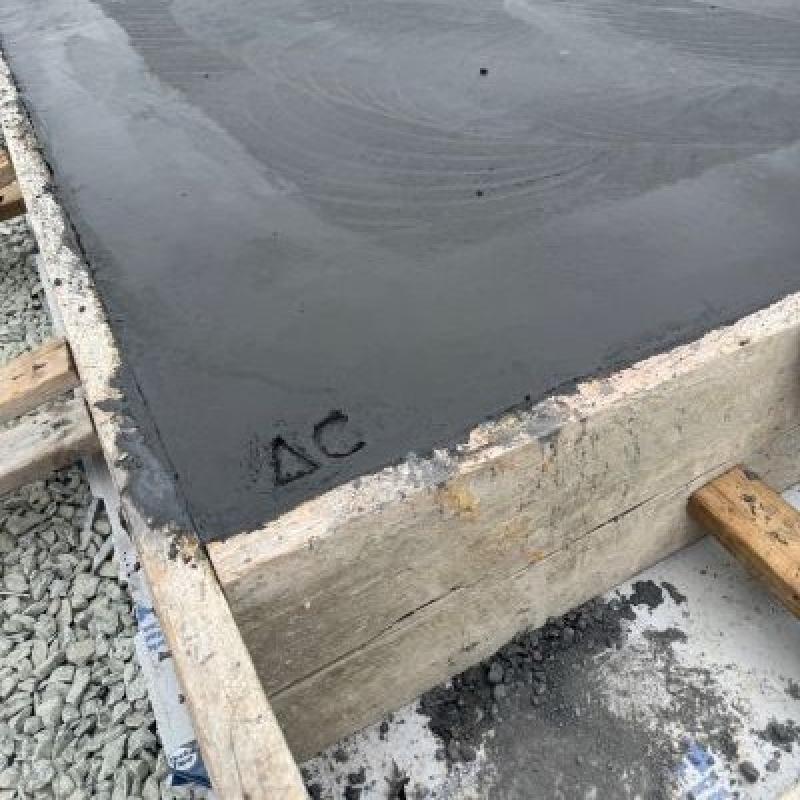
The first commercial uses of alterBiota’s concrete ingredient have demonstrated improved strength compared to conventional mixes, along with a notable reduction in carbon emissions, the CEO of the Sydney, N.S.-based company said.
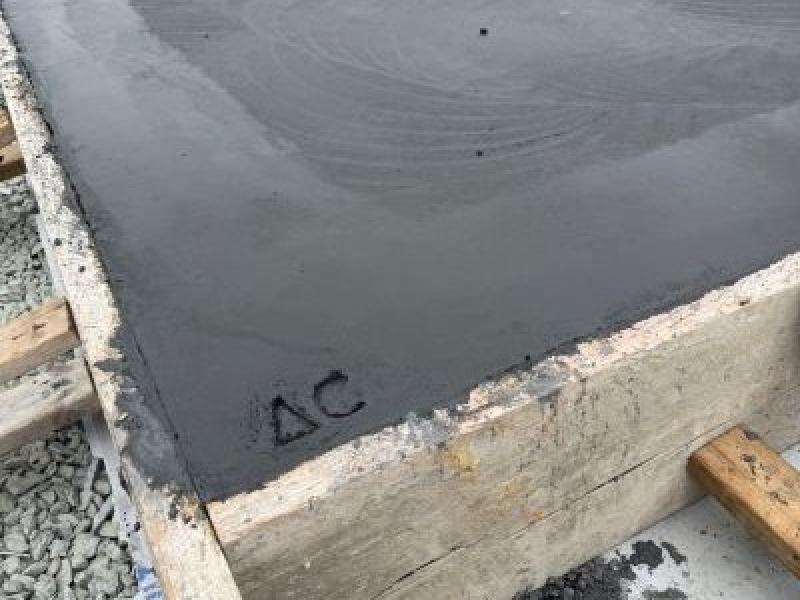
A cleantech company focused on digitizing and decarbonizing the concrete sector, alterBiota’s deltaC product was used in over 100 cubic metres of concrete during the spring and summer. The projects include supplying the foundation of an outdoor silo for CarbonRun, a fellow Nova Scotia–based company in the carbon capture space, and the curb and sidewalk for a Membertou Development Corporation project.
deltaC is a liquid admixture injected into concrete during the batching stage. The material is an “easy, low-cost way to decarbonize your concrete while achieving increased performance,” alterBiota’s CEO and co-founder Mark Masotti said in an interview with Sustainable Biz Canada.
The key ingredient, biochar, replaces a portion of carbon-intensive Portland cement and traps the embodied carbon in concrete. The project with CarbonRun, for example, cut the embodied carbon by 22 per cent compared to conventional concrete. The target strength was achieved in three days, outpacing the 10 days needed to meet schedule.
Currently producing deltaC from its pilot-scale facility in Cape Breton, alterBiota has plans to significant expand its production in the next two years to capitalize on its commercialization opportunity.
deltaC's capabilities
deltaC is made by processing biochar (wood residues subject to pyrolysis) into a slurry which is blended with other ingredients. It is then milled to a fine size and stabilized to a state from which it can be injected into concrete.
Technologies for decarbonizing concrete usually add complexity and can undermine the performance, Masotti said. By contrast, deltaC is designed to easily integrate into conventional operations as a pumpable liquid admixture.
“Just pumps, pump tanks and controllers, following the tried and tested and true way of adding liquid admixtures to concrete,” he said about using deltaC.
The material also improves the fresh and hardened state of concrete, Masotti said, which “most new either liquid powder or gas type of technologies cannot claim.” Plus, biochar is “abundant and renewable.”
deltaC improves the strength of a concrete mix by 10 to 20 per cent, depending on the mix and the amount of cement removed, Masotti explained. Tests have shown deltaC can offset up to 30 per cent of the carbon footprint of concrete, he added.
Plan to expand deltaC production
Masotti is keen to expand alterBiota’s uses to green buildings and building developers looking to reduce embodied carbon. He envisions deltaC being used by renewable independent power producers, energy storage facility developers and data centre developers – any company “with a green product that is sensitive to a carbon footprint,” Masotti said.
To reach this goal, alterBiota plans to expand its deltaC production. Currently able to support 1,000 to 5,000 cubic metres of concrete, the company plans to build a commercial-scale facility co-located with a sawmill, capable of producing enough deltaC for 250,000 cubic metres of concrete per year.
That amount will be enough deltaC to remove and store approximately 10,000 tonnes of carbon dioxide per year, Masotti said.
He aims to reach the final investment decision for the commercial facility in 2026 and start operations in 2027. Venture capital sources and strategic investors in the concrete and cement industry are in talks with alterBiota, Masotti said.
In the long-term, he hopes the company can support high-performance concrete applications such as bridges, piers and moors. Masotti also expects to service projects in the U.S., Europe and Asia.
alterBiota is also working on digitalAggregate. In development for almost four years, it is an application of computer vision technology to take real-time images of aggregates during concrete batching to improve quality control.
“We realized that it’s a pain point for concrete producers,” Masotti said about aggregates, which make up from 75 to 80 per cent of concrete. “Helping them solve or alleviate that pain point is not only value in itself, but it helps open the door to adopting more new materials” like deltaC, he said.


 Industry Events
 The Westin Calgary
 Locations