Locations




Low-carbon marine fuel made by Toronto-based StormFisher Hydrogen Ltd. could support the sustainability of transatlantic shipping supply chains, thanks to a partnership with Dutch company CarbonLeap.
StormFisher plans to supply e-methanol, a fuel made by combining green hydrogen with carbon dioxide (CO2), from its facility in Varennes, Que. to carriers. CarbonLeap would then aggregate the demands of cargo owners with goods on vessels to enable co-financing and reduced supply-chain carbon emissions.
“How do you give the full supply chain comfort that someone pays you to lower their carbon and that it is not being double counted elsewhere?” Ashkan Shoja-Nia, executive vice-president of strategy and business development at StormFisher, said in an interview with Sustainable Biz Canada regarding what CarbonLeap will offer its clients.
Founded in 2006, StormFisher is a developer of clean fuel projects. Initially in the renewable natural gas sector, the company divested the business in 2022 after an “attractive offer” so it could transition into the more scalable hydrogen industry, Shoja-Nia said.
CarbonLeap, based in Amsterdam, was founded in 2021 to give companies ways to reduce direct and supply chain (Scope 3) emissions. Called insetting solutions, the environmental impacts of carbon emission reduction projects such as sustainable fuel use are verified and passed on to other organizations in the same supply chain to mitigate Scope 3 emissions.
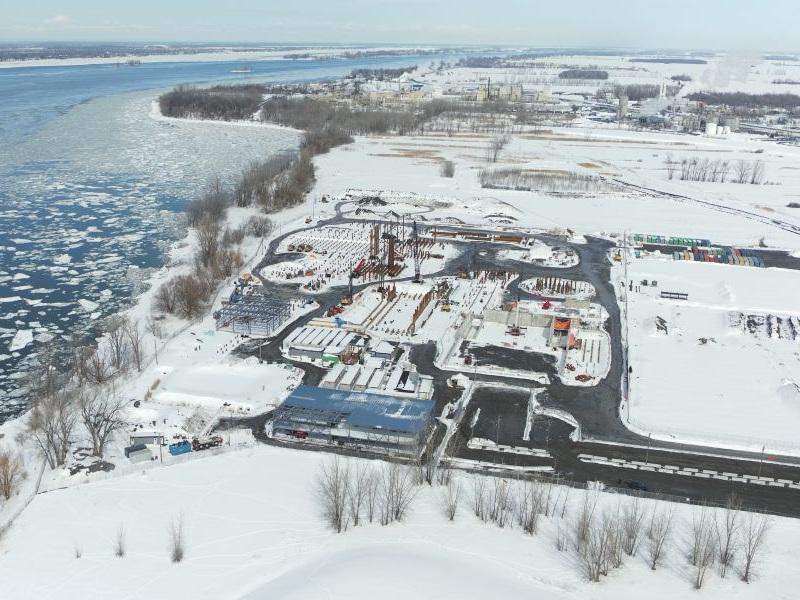
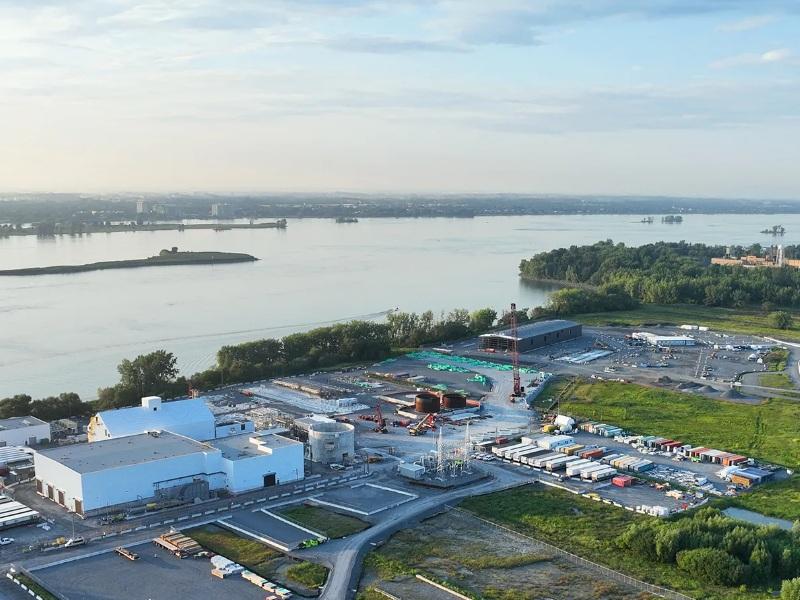
StormFisher’s Varennes e-methanol facility
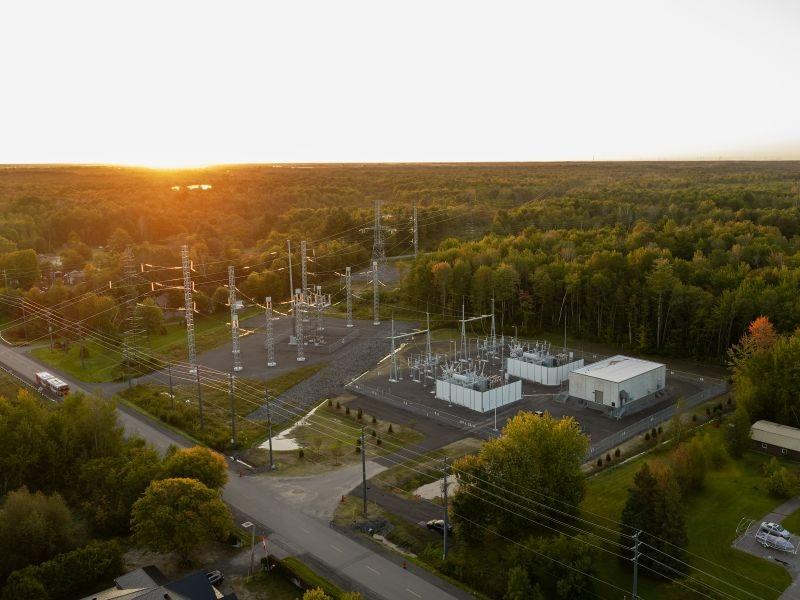
StormFisher is developing its first e-methanol production site in Varennes, a Montreal suburb that lies on the shores of the St. Lawrence River. The company acquired the assets of Recyclage Carbone Varennes last year to restart construction on the project originally slated to produce biogas.
StormFisher plans to use an electrolyzer to generate hydrogen by splitting water. It would then combine the hydrogen with CO2 to output approximately 70,000 tonnes of e-methanol per year. E-methanol can be used as ship and jet fuel or to make chemicals such as formaldehyde, Shoja-Nia explained.
The plan is to power the facility with renewable energy, leading to fuel that has approximately 90 per cent less CO2 compared to conventional fuels. StormFisher expects to source approximately 100,000 tonnes of CO2 per year from nearby sources such as landfills or the fermenting of corn to make ethanol.
The Varennes facility is in the detailed engineering phase. StormFisher aims to restart construction in mid-2027 and have operations begin in 2029. The project is expected to demand approximately $700 million in investment to bring to operations, Shoja-Nia said.
How CarbonLeap helps supply chains lay claim to decarbonization

StormFisher’s partnership with CarbonLeap will include the latter’s network of organizations looking to decarbonize their supply chains. For every molecule of e-methanol that StormFisher generates, CarbonLeap would find a partner in its network that will pay for the corresponding decarbonization value, Shoja-Nia explained, and the emissions reductions would be allocated to the cargo owners once.
“I’m going to subsidize the transport costs so that I get to claim my sneakers are low-carbon,” Shoja-Nia said about the model from the perspective of a shoe company. “So now the ship operator doesn’t have to bear the entire burden of the decarbonization. The whole supply chain is pitching in and getting the benefit.”
Supply chain emissions are widely seen as the most difficult for a company to reduce because it demands action from a long list of suppliers that may have little to no engagement on sustainability. The StormFisher-CarbonLeap partnership would help businesses address this issue.
The shipping industry is also a difficult-to-abate sector because the production and supply of low-carbon fuels is a trickle today. Shoja-Nia acknowledged the planned production from the Varennes facility would only account for a small portion of a shipping operator’s needs, a sign of how projects like StormFisher’s have much room to ramp up in order to meet the most ambitious climate targets.
'A lot of active interest' for e-methanol
Outside of its partnership with CarbonLeap, StormFisher has been receiving “a lot of active interest” for e-methanol from its planned Varennes facility, Shoja-Nia said, including binding and non-binding deals.
It also has a pipeline of projects it looks to advance in the coming months, he added.


 Industry Events
 Locations