Locations




Companies both domestic and foreign are scouring the remote wilderness of Canada for the chance to pull a natural resource from the ground that has the potential to reshape major industries: hydrogen.
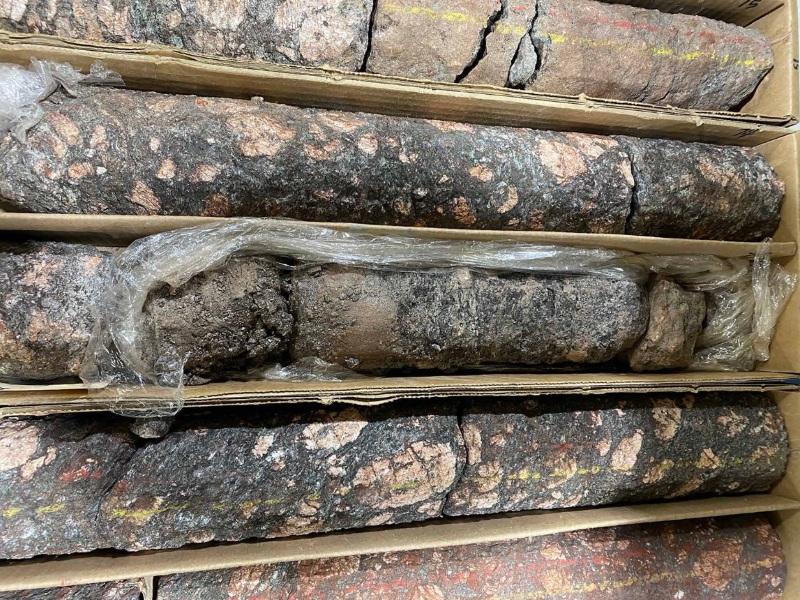
Naturally occurring hydrogen is formed underground in places like the ancient rocks of the Canadian Shield, where a chemical process splits water molecules and releases hydrogen gas.
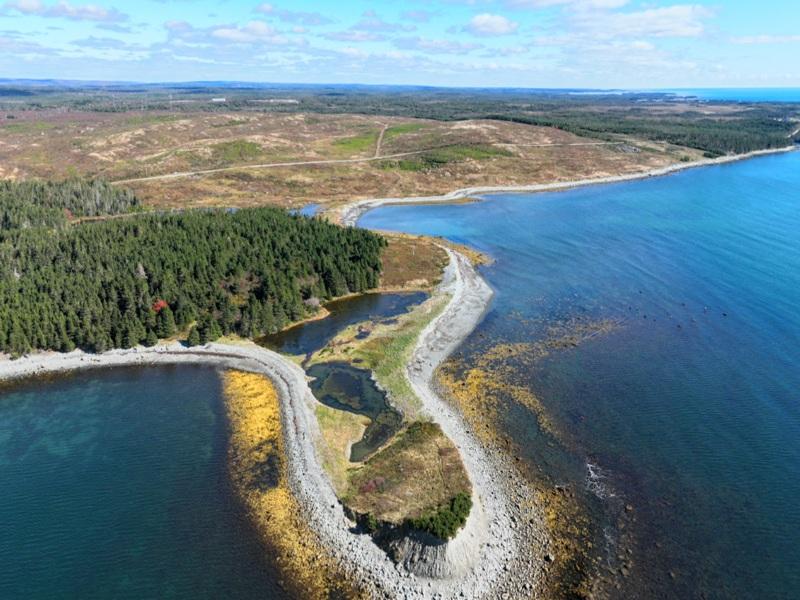
Firms such as Saskatoon-based MAX Power (MAXX-CN), Vancouver’s Quebec Innovative Materials Corp. (QIMC-CN) and Toronto-headquartered Mongoose Mining Ltd. (MNG-CN) are searching across Saskatchewan, Quebec and Nova Scotia, respectively, for a whiff of hydrogen gas.
Another company, Houston-based Vema Hydrogen, was the subject of a New York Times profile for its interest in Quebec.
Why the fuss over a base element? Hydrogen drew almost 100 million tonnes of demand in 2024, the International Energy Agency said, used for petroleum refining, metals processing and fertilizer production. It also offers a low-carbon method to fuel heavy industry and transportation.
Given the large green hydrogen projects that have struggled to pan out in Canada, it is not hard to think, “It’s another hydrogen bubble," Vema’s CEO Pierre Levin said.
“No,” he insists. “Now is the time for hydrogen because there is a solution to produce it economically and in an environmentally friendly way,” the geologist and mining engineer added.
Comparing the types of hydrogen
Most of the world’s industrial hydrogen is produced by subjecting natural gas to steam methane reforming. The natural gas reacts with steam at temperatures ranging from 700 C to 1,000 C to generate hydrogen, carbon monoxide and carbon dioxide (CO2). This results in almost seven kilograms of CO2 per kilogram of hydrogen gas on average, and is responsible for approximately three per cent of global industrial CO2 emissions.
Technologies such as carbon capture and electrolyzers are being used to minimize the carbon emissions, but have yet to become economical or widely used. Natural hydrogen, its proponents argue, can overcome these main obstacles, producing a small amount of CO2 emissions from its extraction while remaining affordable.
Chad Levesque, the investor relations lead at MAX, broke down the costs. Hydrogen produced from steam methane reforming or steam methane reforming combined with carbon capture costs between $2 and $3 per kilogram and demands extensive infrastructure.
Hydrogen produced via electrolyzer and renewable energy, called green hydrogen, produces little to no CO2, but costs over $6 per kilogram.
Natural hydrogen, Levesque projects, will cost $0.50 to $1 per kilogram while avoiding the need for expensive infrastructure and most of the greenhouse gas emissions. Vema has made similar price comparisons.
“Mother Nature is doing the work for us,” Levesque said.
Canada a compelling market for natural hydrogen
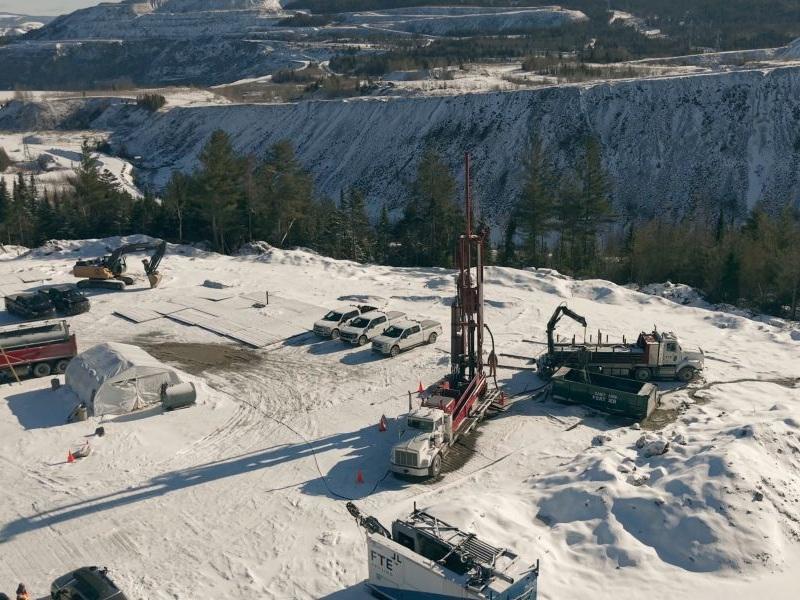
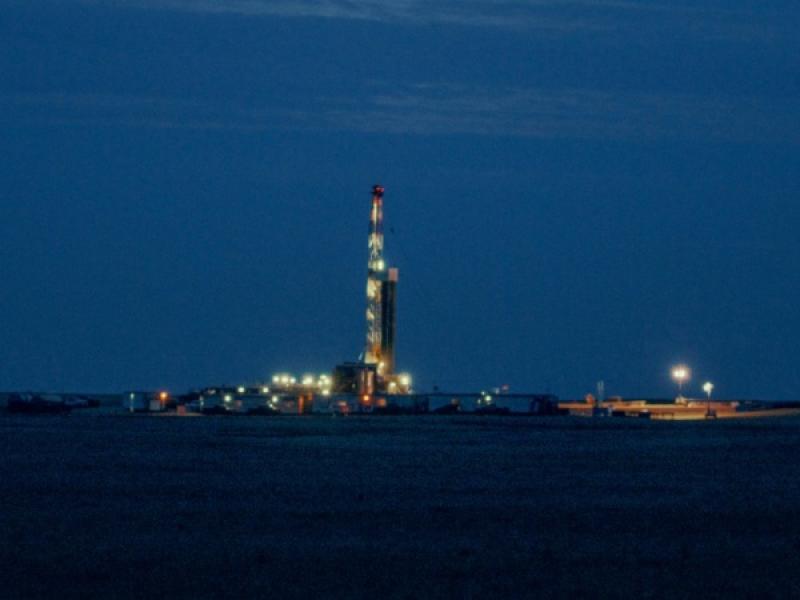
Formerly a lithium-focused firm that switched to natural hydrogen in 2023, MAX is exploring a 475-kilometre plot of land named the Genesis Trend in southeast Saskatchewan. There, it discovered what it calls Canada’s first subsurface natural hydrogen system named Lawson.
Saskatchewan has “some of the best regional geology anywhere in the world for large accumulations of commercial hydrogen,” Levesque said. Additionally, the province has a highly supportive policy framework, pre-existing energy infrastructure and demand for the gas.
MAX's plan is to drill wells to free-flow hydrogen and helium gases, which would be separated and sent to offtake and distribution partners for use in the hydrogen economy. Levesque envisions the hydrogen will be used to make fertilizers, power data centres, refine petroleum and make steel.
Vema is taking a different path. Its “secret sauce” involves using a catalyst to accelerate a natural chemical reaction in iron-rich ultramafic rocks by over 10,000 times, releasing hydrogen that can then be captured.
“We want to change geological speed into economic speed,” Levin said.
There is “exponentially increased interest” in natural hydrogen, Levesque said, a trend he noticed when his company attended the Canadian Hydrogen Convention in Edmonton this April. The demand for energy independence and the transition to a lower-carbon future are motivating factors, he said.
The dismantling of the Inflation Reduction Act in the U.S. “killed the green hydrogen industry,” Levin said. But that created an opportunity for Vema because it became clearer the economics were not compelling enough for green hydrogen. The current administration in the U.S. also led Vema to recognize the need to diversify its geography, he said.
Levin heaped praise on Canada. Unlike the U.S., Canada kept strong interest in decarbonization, he said, and has a “great culture of mining and natural resources.” He joked that in California, “people throw stones at us.” In Quebec, “they throw flowers.”
Plans for 2026
To reach commercialization, Vema’s intent is to extract and deliver hydrogen to its partners that will purify the gas for purposes such as producing low-carbon fuels or powering data centres.
The company is testing a pilot well program in Quebec which is expected to last until the end of 2026. Based on the findings, the company expects to finalize the design of production wells, with the intent to drill its first in Quebec in 2027. The hope is to sell its first hydrogen molecules in 2028.
After Quebec, Levin plans to have Vema possibly explore Newfoundland and Labrador, followed by Ontario and British Columbia. Vema also has its sights set outside of Canada, such as the U.S., Asia and the Middle East.
This year, MAX's plan is to concentrate on exploration, Levesque said. The company has plans to drill at least three wells in Lawson in June.
“We’ve got a very, very busy year, a lot of dollars going into the ground, and then the hopeful development of commercial development around Lawson and hopefully transitioning into a producer,” Levesque said.


 Industry Events
 Locations