
 Locations



 Québec Innovative Materials Corp. (QIMC-CN) and Lambton College are jointly developing a hydrogen-powered modular energy system to power data centres, with the aim of producing low-carbon electricity for artificial intelligence (AI) applications.
The partnership represents a “significant step” in QIMC's Geology-to-AI strategy, the Montreal-based natural hydrogen explorer said in a release, moving away from solely searching for reservoirs of natural hydrogen to energy delivery and infrastructure development.
Skyrocketing demand for AI services and internet use has fuelled data centre development and the electricity generation to power the facilities. The boom has led companies to aggressively procure electricity from a variety of sources — fossil fuels, nuclear and renewables. QIMC is looking to add hydrogen extracted from underground as a low-carbon energy source to the list.
The system is named H2-RE DCPS, short for Hydrogen-Renewable Energy Data Centre Power System. It could be potentially integrated with QIMC’s natural hydrogen assets, the company said, producing kilowatts (KW) of electricity per unit.
"With the H2-RE DCPS platform, we are building a direct bridge between subsurface hydrogen resources and real-world energy demand, positioning QIMC at the intersection of clean energy and digital infrastructure,” John Karagiannidis, CEO of QIMC, said in the release.
Sustainable Biz Canada has has reached out to QIMC for comment. We will update this article with any additional information if it becomes available.
About H2-RE DCPS
Alongside Sarnia, Ont.-based Lambton, QIMC plans to design, build and validate the H2-RE DCPS. The system is planned to service off-grid and grid-constrained data centre applications, such as facilities in remote areas.
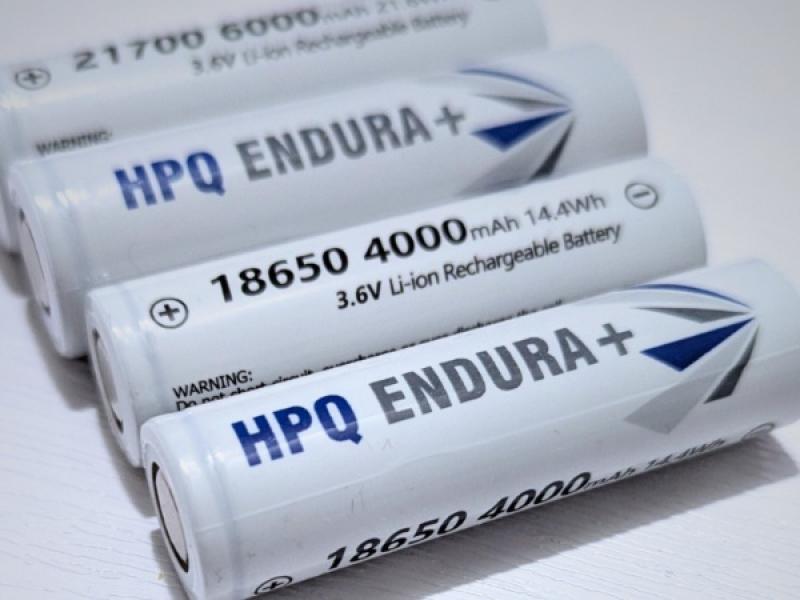
QIMC and Lambton are designing H2-RE DCPS as a mini-grid system that includes hydrogen fuel cell systems, battery storage and inputs for solar and wind generation. As a modular system, it is expected to be scalable by adding more units.
The system is being engineered to target approximately 15 to 25 KW of continuous power output per unit, with scalability beyond 50 KW. But QIMC cautioned the range is subject to conditions such as fuel availability and performance validation.
As well as powering AI applications, QIMC plans to include an AI-powered advisory level to the H2-RE DCPS. Its expected services are forecasting energy generation and storage performance, finding abnormal trends in performance, and conducting predictive maintenance and system optimization.
QIMC and Lambton plan to phase out the development of the hydrogen-powered modular energy system, starting with engineering design, system architecture and procurement. Then the two organizations plan to move to assembly, installation and data pipeline integration, and finally commissioning, testing and AI model prototyping.
Commercial deployment “will be evaluated following successful validation and demonstration of system performance under operational conditions,” QIMC said.
If successfully validated, the company said it may explore opportunities such as deploying its systems globally, developing potential business models like energy-as-a-service, and targeting uses like remote industrial operations.
QIMC’s vision is to transition from a resource explorer to a company behind an integrated energy and infrastructure platform, it said.
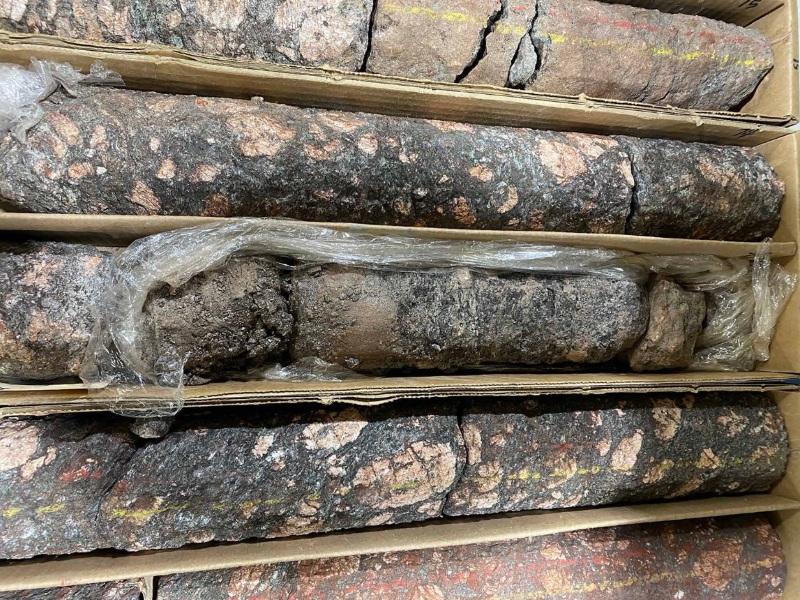
The company has found promising natural hydrogen deposits in Canada, such as one in St-Bruno-de-Guigues, Que.



 Industry Events
 Locations