
 Locations




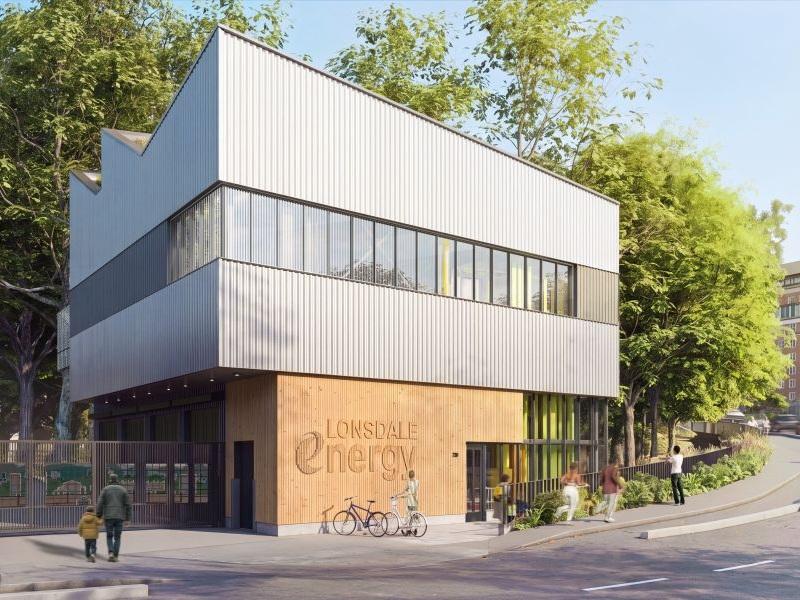
North Vancouver utility Lonsdale Energy has started construction on a facility which would reuse and upgrade the energy from hot water produced by locals, sustainably heating buildings and shrinking its carbon emissions.
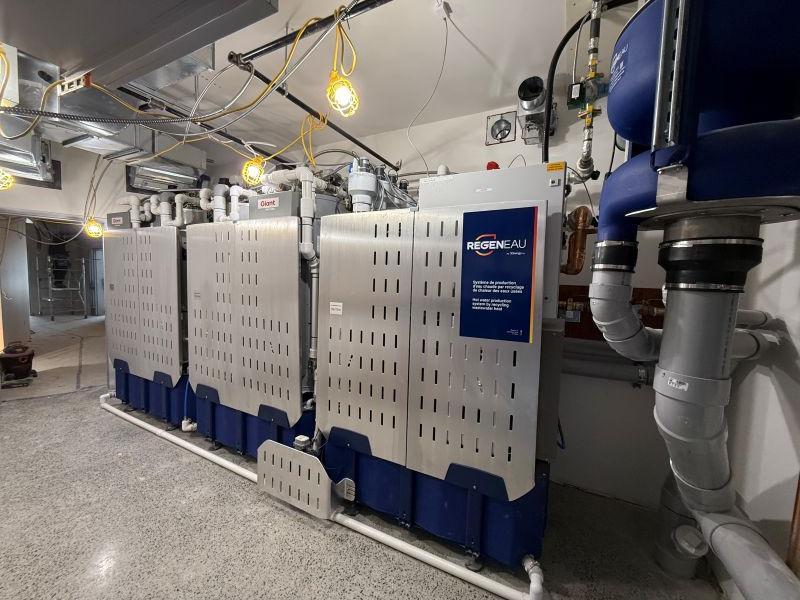
The start of work on the six-megawatt Urban Heat Recovery Centre was announced mid-July. Thermal energy from residents doing the dishes, washing their clothes, showering and rinsing their hands with hot and warm water that would otherwise be wasted is to be recovered and enhanced with electric heat pumps. The heat would then be distributed across Lonsdale’s community energy network to the city's homes and businesses.
Once operational, more than 18,000 residents and over 120 buildings in the City of North Vancouver are expected to be serviced by the facility. Construction is expected to be finished by late 2027.
“That’s the power of community energy,” Luke Gillies, Lonsdale’s deputy director of energy generation, said in an email exchange with Sustainable Biz Canada.
“One shared renewable energy source that can serve dozens of buildings at once, delivering significant environmental benefits that individual buildings couldn't achieve on their own."
Centre offsets natural gas heating
Lonsdale is a municipally owned utility that has provided heating and cooling services in North Vancouver since 2003. About one-in-four residents are customers, with one-in-three expected by 2030.
The utility developed the Urban Heat Recovery Centre to build a lower-carbon and more resilient energy system as the city grows alongside increasing demand for reliable heating, Gillies said.
By tapping into the centre, Lonsdale can reduce its reliance on fossil fuel-based energy — specifically a portion of the natural gas the utility uses to heat buildings connected to its network.
When operational, the facility is expected to reduce Lonsdale’s greenhouse gas emissions by the equivalent of approximately 7,600 tonnes of carbon dioxide per year, and cut overall system emissions by approximately 40 per cent.
The Urban Heat Recovery Centre is designed to be Lonsdale’s largest low-carbon energy source.
A 2025 report written by the Zero Emission Innovation Centre and Foresight Canada cited a 2023 McKinsey study which found hundreds of terawatt-hours of waste heat is generated every year in the Americas. Billions of dollars in potentially recoverable heat is being flushed down the sewer, which technologies like waste heat recovery are being used to address.
Metro Vancouver was identified as a leader in adoption of waste heat recovery systems, such as Port Coquitlam-based SHARC Energy Systems’ technology.
Projects in Canada planned to use, or are already using, waste heat recovery include the Odenak two-tower rental project in Ottawa, the Green Heat system in Toronto owned by Enwave Energy Corporation and the Sen̓áḵw rental development in Vancouver.
Lonsdale’s climate goals
Lonsdale served almost 10 million square feet of buildings in North Vancouver with 35 megawatts of heating capacity and 1.2 megawatts of cooling as of Dec. 31, 2024.
Today, Lonsdale operates 10 energy centres powered by a mix of sources such as natural gas, renewable natural gas, geoexchange, solar energy and recovered heat from the Shipyards skating rink, Gillies said.
Expanding and diversifying its low-carbon energy portfolio will be Lonsdale’s priority, he continued, toward its target of reducing greenhouse gas emissions by 80 per cent by 2040 and reaching net-zero emissions by 2050.
Approximately 15 per cent of Lonsdale’s energy is from renewable sources, the company said on its website. By 2027, it aims to have at least 40 per cent of its energy sourced from low-carbon technologies, helped by projects like the Urban Heat Recovery Centre.


 Industry Events
 Locations