
 Locations
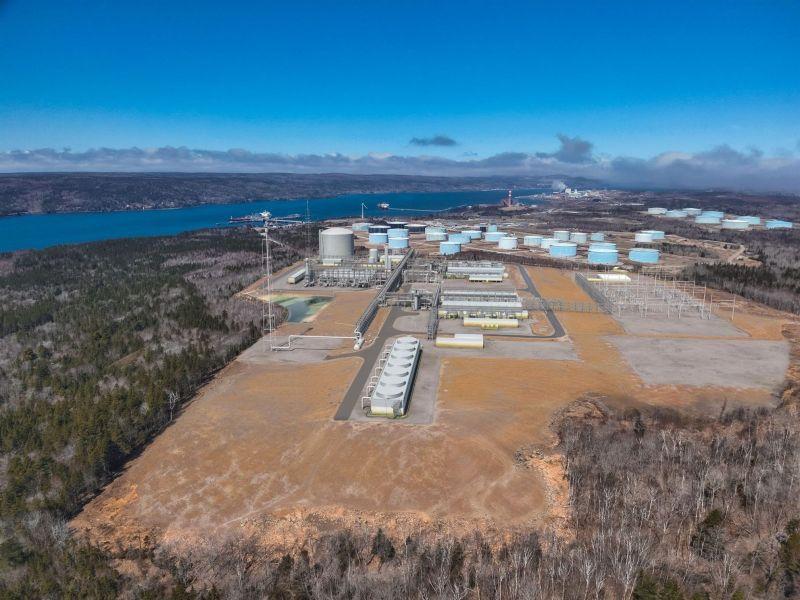





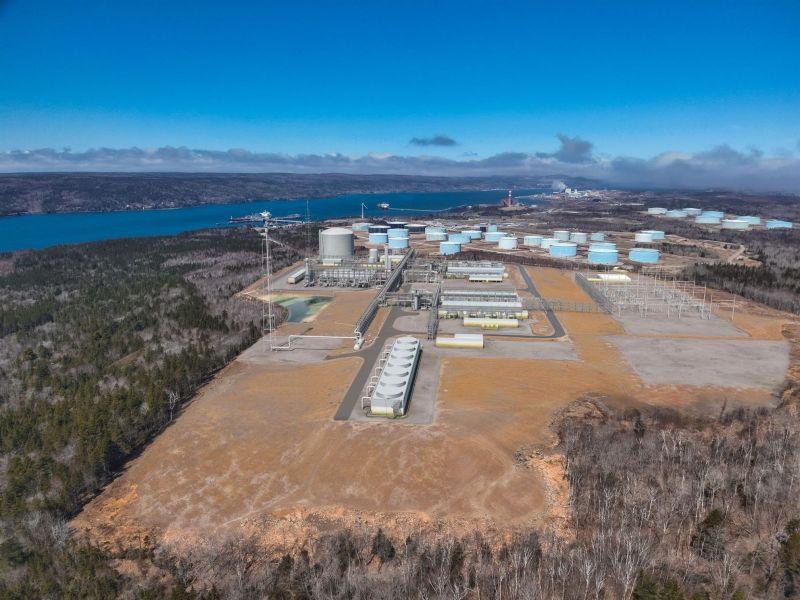
Aspiring green fuels producer EverWind Fuels has announced plans to invest over $10 billion into a data centre campus and new wind power generation in Nova Scotia, said to be the largest privately funded investment in the province’s history.
Announced Friday morning, the investment includes more than $8 billion to develop, build, own and finance the data centre campus at EverWind’s Point Tupper site, and $2 billion for its onshore wind portfolio.
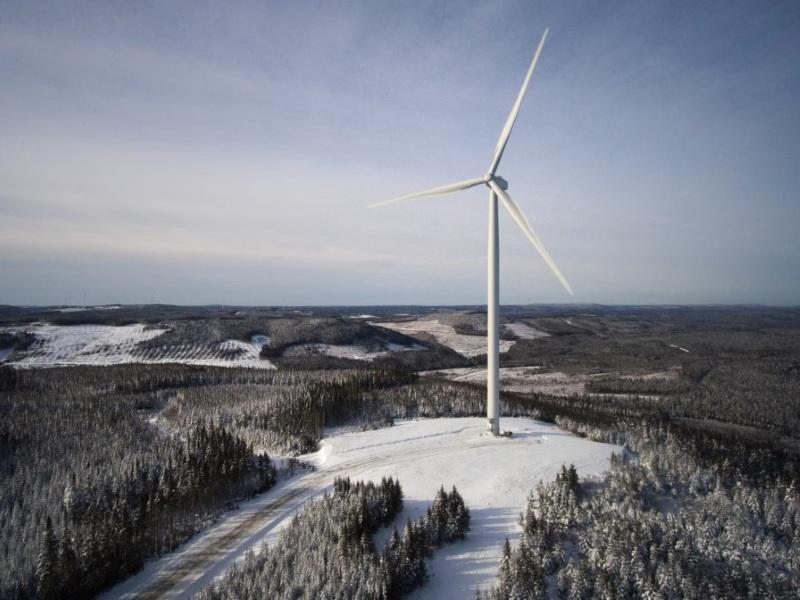
Halifax-based EverWind said the investment into wind energy will be directed toward four projects in its portfolio: Bear Lake, Windy Ridge, Kmtnuk and Upper Afton. The four projects would provide up to 768 megawatts (MW) of capacity to help meet industrial demand, including that of the Point Tupper site, EverWind said.
From that renewable energy, EverWind plans to produce hundreds of thousands of tonnes of green hydrogen and ammonia per year to decarbonize industries such as transportation. The data centre component will complement the green fuels side of the company, EverWind said, and the company’s commitment to green hydrogen and ammonia “remains unchanged.”
“Nova Scotians should expect us to demonstrate that we can protect ratepayers, safeguard local resources and deliver lasting community benefits, and we intend to be accountable for those commitments,” Trent Vichie, founder and CEO of EverWind, said in the release.
Project designed to respond to concerns about data centres
EverWind says it aims to address some of the main concerns surrounding the data centre boom, including water consumption, pressure on electricity grids and higher energy costs for local consumers.
The data centre campus would use a closed-loop cooling system, with heat removed primarily through air. Nova Scotia’s climate can reduce cooling water requirements for much of the year as well, EverWind said.
The design of the initial phase of the campus anticipates approximately 100,000 litres of water to be used per day, comparable to the daily use of a large shopping mall. At its full 420 MW of capacity, the average daily water use is expected to be around 500,000 litres.
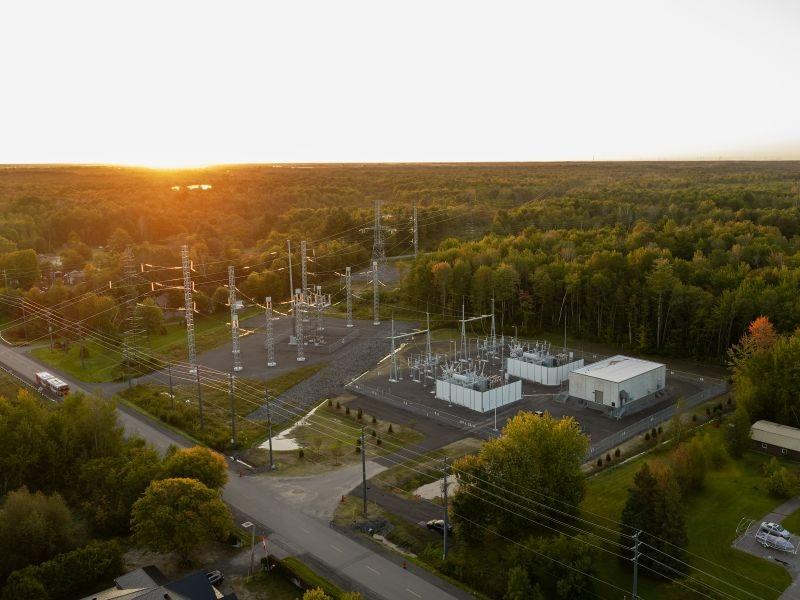
To cushion the demand on Nova Scotia’s grid, the multibillion-dollar investment includes hundreds of megawatt-hours of battery storage. The campus would also be designed to reduce or stop the drawing of electricity from the provincial grid to protect reliability and maintain operations.
EverWind plans to fund the water and electricity infrastructure costs from the project’s development so the fees are not passed down to local ratepayers, the company said, and is committed to ensuring electricity rates do not increase. Water supply and use will be managed to protect local resources and prioritize community needs.
EverWind has a long-term lease agreement with an unnamed “leading frontier” artificial intelligence developer for the initial 95 MW phase of the Point Tupper campus, planned to begin in late 2027.
Next, the plan is to expand the campus to 325 MW of capacity in 2028, with the goal of finalizing it at 420 MW.
EverWind's projects
For its first phase, the Point Tupper site is planned to output approximately 200,000 tonnes of green ammonia each year using wind power. Generated by combining hydrogen with nitrogen, the hydrogen would be produced by splitting water with electrolyzers, while the nitrogen would be produced with an air separator unit.
Phase 2 of the project is designed to add 800,000 tonnes of annual production capacity of green ammonia through up to 2.5 gigawatts (GW) of wind power capacity developed in partnership with First Nations.
EverWind is also developing its Burin Peninsula Green Fuels Project in partnership with First Nations. The outline for the project is similar to Point Tupper as a site for generating green hydrogen and ammonia, though with wind and solar energy rather than only wind.
The first phase of the Burin Peninsula project is planned to have three GW of onshore wind and 0.75 GW of solar. Future phases could include an additional seven GW of onshore wind and 1.75 GW of solar.


 Industry Events
 Locations