



 Locations

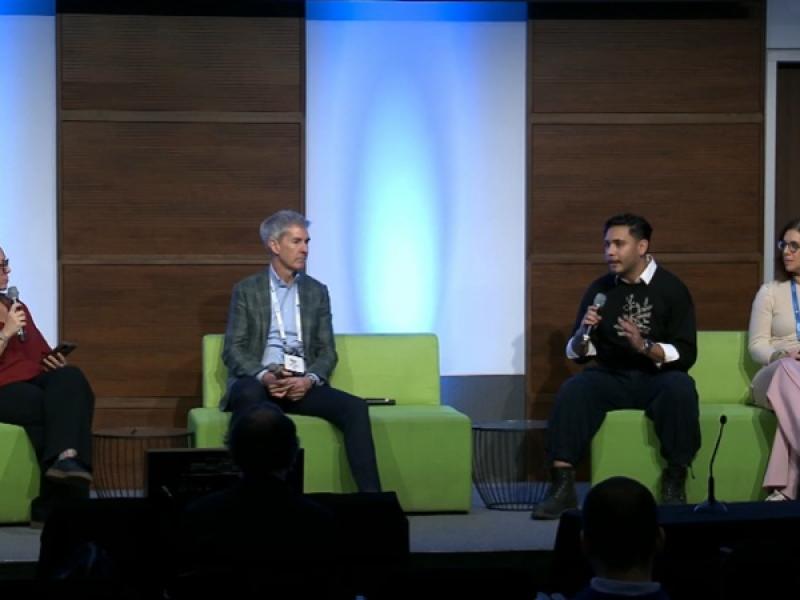
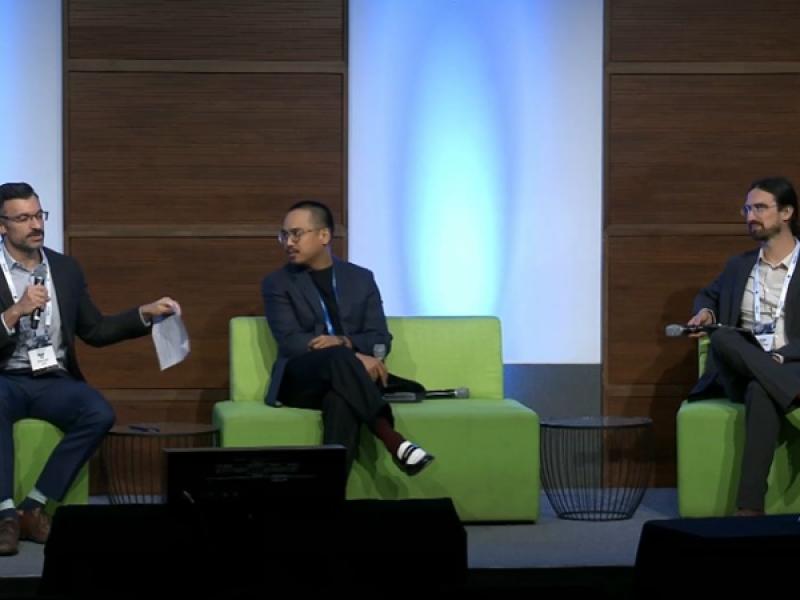


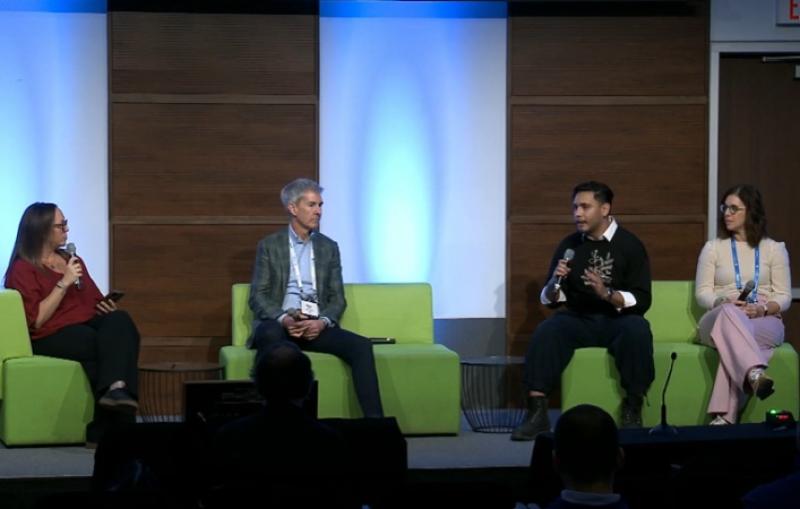
As artificial intelligence (AI) dominates venture capital, Canada’s cleantech startups face a tougher fight for funding — but they can stay competitive by demonstrating their value and harnessing AI themselves, panellists at MaRS Climate Impact said.
In a session last Monday titled The capital crunch: How cleantech can compete for VC, panellists explored whether AI is crowding cleantech out of the venture capital market and, if so, how the sector can compete for funding.
AI startups took more than half of global venture investment in 2025, according to AI startup valuation platform SeedScope, leaving other industries to compete for the remainder. AI’s gravitational pull, some panellists noted, is also redirecting cleantech toward solutions to the technology’s voracious appetite for energy and water, including sustainable data centres.
While some see AI's growth as squeezing cleantech investment and driving demand for carbon-intensive energy, Murray McCaig, co-founder and managing partner of climate-focused ArcTern Ventures, sees a more symbiotic relationship.
“We really see the potential for intelligence to have a net-net massive positive impact.”
Using AI to boost cleantech
McCaig sees AI as well-suited to untangling the complex challenges of industrial decarbonization. Toronto-based ArcTern, for example, combines AI and climate investing to decarbonize AI, and industry more broadly, through what it calls “sustainable intelligence.”
The firm’s portfolio includes Hyperlume, a developer of energy-efficient microLED-based interconnects for data centres. Companies like Hyperlume can fill a market niche by helping to address the growing electricity demands of digital infrastructure, McCaig said.
Panel moderator Jeanette Jackson, national director of cleantech at RBCx, asked how non-AI opportunities can be investible in an AI-driven market, particularly when the technology is pressuring startups to scale and exit faster.
Pilot projects, a clear path to commercialization, creativity and capital efficiency can help startups appeal to impatient investors, answered Kathryn Wortsman, managing partner at Toronto-based Amplify Capital. At pilot stage, “is a customer paying for that pilot and then do they already have the commercial plant ready to go and offtake agreements in discussions for that commercial plant?” she explained.
Given cleantech's reliance on physical assets such as machinery and infrastructure, Jackson asked how startups outside the AI space can navigate the venture capital market.
Cleantech startups should at least consider using AI in their internal operations if the opportunity arises, Sebastian Alamillo-Falkenberg, director of adoption services at Kingston, Ont.-based non-profit RXN HUB, said. The productivity gains are too valuable to ignore, he added.
However, he warned against pivoting the whole company to chase AI or to be consumed by the hype. “AI is good, but it doesn’t mean it’s good for everything.”
The human touch is still vital
Amplify is looking for opportunities where AI can unlock “speed to power or speed to scale,” Wortsman said. The AI boom could also benefit the clean economy, she added, as surging electricity demand drives more companies to seek renewable energy.
ArcTern is evaluating potential investments for their AI use. “If you’re not heavily using AI and intelligence as part of core competitive advantage, I would be sitting there saying, ‘I don’t know how sustainable it is,’” McCaig said.
Wortsman echoed McCaig, saying “every company has to be using AI solutions,” including those in industries such as agriculture and critical minerals recycling.
However, McCaig said ArcTern is not insisting that startups be AI-native to qualify for investment.
The panellists closed with advice for founders navigating an increasingly competitive cleantech and climate tech funding landscape.
A “crisp and clean” story about the necessity of the company’s solution is key, Wortsman said.
McCaig urged the tried-and-true method of starting with a warm connection and meeting in-person with investors and peers, even in an era of email, video calls and AI. Having the persistence to knock on hundreds of doors and hearing rejection is also essential.
“People like to do business with people they like. You’ve got to get face to face.”



 Industry Events
 Locations

