Locations



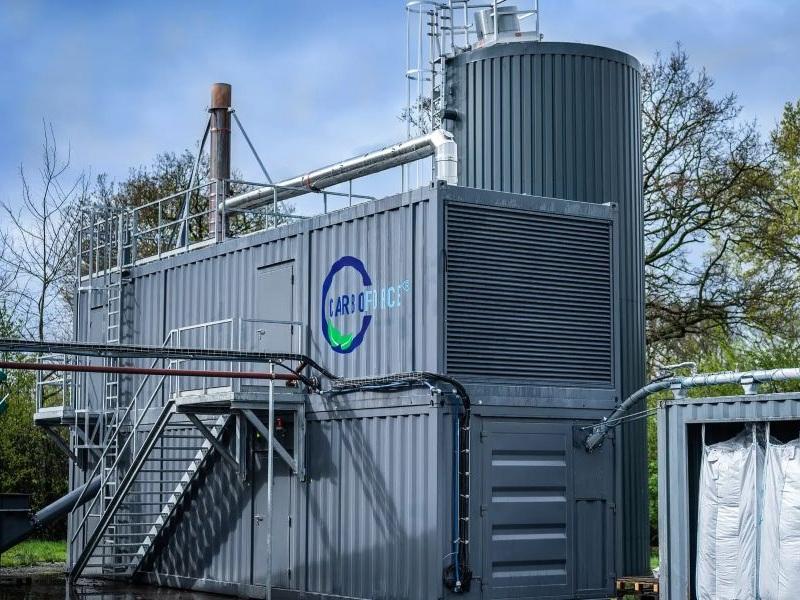
Canadian Biochar Investments, Inc. plans to establish biochar production sites across Canada by licensing the technology of a German company, starting with a large wood recycling facility in British Columbia.
Based in Calgary and founded in 2025, Canadian Biochar announced in early March it secured an exclusive deal with Kassel, Germany-based Carbo-FORCE to market and distribute its biochar pyrolysis technology throughout Western Canada.
Its first project will be built on the Langley, B.C. site of Cloverdale Fuels, where Canadian Biochar looks to install a system that is fed wood chips to produce biochar.
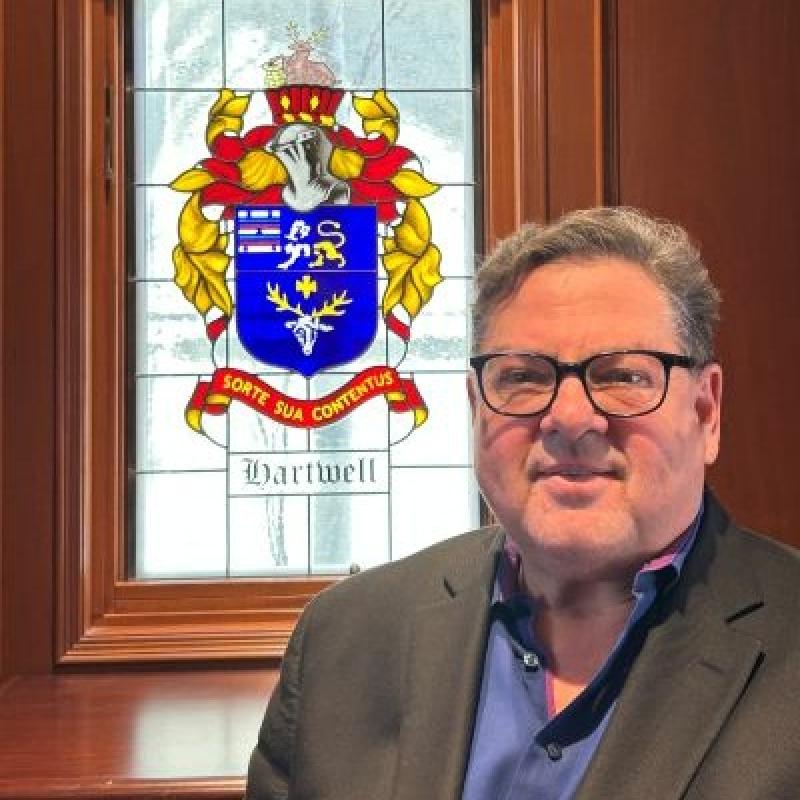
While Carbo-FORCE could have launched the technology in Canada by itself, Canadian Biochar was “successful in convincing them that through a licensing agreement we could accelerate their growth through relationships that we were bringing to the table,” Jim Hartwell, president, CEO and co-founder of Canadian Biochar, said in an interview with Sustainable Biz Canada.
Why Canadian Biochar chose Carbo-FORCE
A company of four full-time employees today, Canadian Biochar is led by Hartwell, who has decades of experience in investments, particularly in the energy sector.
Carbo-FORCE’s technology stood out to Canadian Biochar because of its reliability, Hartwell said. Robert Fennessey, Canadian Biochar’s vice-president of business development and co-founder, also noted its energy efficiency in the same interview.
As for the relationship Canadian Biochar has with Cloverdale, Hartwell and Fennessey are familiar with Cloverdale’s management. Cloverdale would be financially compensated for hosting the Carbo-FORCE system on its site, sweetening the deal.
At its Langley site, Cloverdale processes wood waste into materials such as mulch, sawdust, wood chips and biomass fuel. The company, Hartwell said, can process up to 600,000 tonnes of wood waste per year, a scale fitting for what he called the British Columbia’s largest wood recycling company.
Carbo-FORCE’s technology
Carbo-FORCE’s pyrolysis system transforms wood-based feedstock into biochar by subjecting the inputs to temperatures up to 900 C in an oxygen-free chamber. The output, biochar, is a material similar to charcoal.
Biochar serves as a durable carbon sink by trapping the greenhouse gas in a solid form for hundreds of years, rather than decomposing and being released into the atmosphere. A certificate for the carbon sink potential of one tonne of Canadian Biochar’s biochar shows the equivalent of 3.1 tonnes of carbon dioxide are stored away.
The Carbo-FORCE system is designed to take in 2,500 tonnes of wood chips per year and produce 500 to 600 tonnes of biochar, Hartwell said.
Canadian Biochar is finalizing its lease agreement with Cloverdale, he added, and it is expected to have its first Carbo-FORCE system operating in Q3.
Canadian Biochar’s three-pronged revenue approach
To generate revenue, Canadian Biochar plans to sell biochar, distribute the waste heat from the pyrolysis system to neighbouring businesses, and put the resulting carbon removal credits from its activities on the market.
The high-purity biochar can be sold to other businesses for use as a water filter, a soil amendment and cement additive, Fennessey explained. Cloverdale’s Langley site is in an industrial area with nearby facilities that could tap into the biochar supply, such as cement factories, Hartwell said.
Heat from the pyrolysis system could be used by district heating networks in cities like Surrey to offset natural gas consumption, Fennessey said. Additionally, nearby buildings could take in the excess heat from the pyrolysis system and convert it into electricity, Hartwell explained.
After a life-cycle analysis of the production and end-use of the biochar, followed by verification, Canadian Biochar plans to sell the sequestration of carbon from the biochar as credits through the index Puro.earth.
Looks to ensure an impact
After its first system in Cloverdale’s Langley site, Canadian Biochar has plans for more deployments.
Its sights are set on Alberta, then possibly Ontario, Hartwell said. Once its first owned facilities are up and running, he plans to make turnkey sales of Carbo-FORCE’s technology to other companies so they can install it on their sites in Canada, with Canadian Biochar supervising the set-up, operations and maintenance.
“Our license agreement is initially for Western Canada. But we do have the ability to go to other regions on a case-by-case basis that’s approved by both parties,” Hartwell said.
The company has a list of six to seven potential sites outside of Western Canada and is in discussions with potential purchasers approved by CARBO-Force, he added.
“When it comes to the commercialization strategy, our goal is to ensure this technology has an impact because we believe so much in it,” Fennessey said. Canadian Biochar sees opportunity for companies with a surplus of biomass and a need for energy, such as in sectors like agriculture and forestry.
While its vision is to be operating across Canada, Canadian Biochar will still keep an eye on Langley, Hartwell said. Once the company has a clearer idea of the potential offtakes of the biochar and the waste heat, it will explore the possibility of a larger pyrolysis system in the industrial complex.
In an issue separate from Canadian Biochar's operations, Hartwell has been the subject of investigation by the Canadian Investment Regulatory Organization (CIRO) regarding a company he led named Emerging Equities Inc. The allegations — which have not been proven or substantiated in any legal proceeding — include failure to adequately supervise the handling of a client’s accounts and attempting to interfere in CIRO's investigation.
In comments to Sustainable Biz Canada, Hartwell denied the allegations and said he believes they will be "successfully defended." CIRO has scheduled a hearing for the allegations in November.


 Industry Events
 Locations