
 Locations




Arca Climate Technologies Inc. has laid the groundwork for a project that could remove a massive amount of carbon dioxide (CO2) emissions by microwaving the wastes from a potential nickel mine in British Columbia.
Partnering with Giga Metals Corporation, the two Vancouver-based companies have embarked on a 10-year effort to explore the CO2 removal potential of the Turnagain Project. The undeveloped nickel deposit in northern British Columbia is jointly owned by Giga and the Mitsubishi Corporation.
Arca and Giga plan to explore whether the ultramafic waste rocks and tailings generated by mining operations could be used to remove and trap CO2 from the atmosphere at scale, once subject to industrial-scale microwaves.
“It can happen in minutes,” Greg Dipple, the head of science at Arca, said in an interview with Sustainable Biz Canada about the process. “So it’s easy to incorporate that into industrial processing.”
From the 1.3 billion tonnes of mining discards that are expected to be unearthed over the mine’s decades-long lifetime, it could result in up to 220 million tonnes of CO2 being sequestered. Such an amount would be almost one third of Canada’s greenhouse gas emissions in 2024.
Microwaving minerals
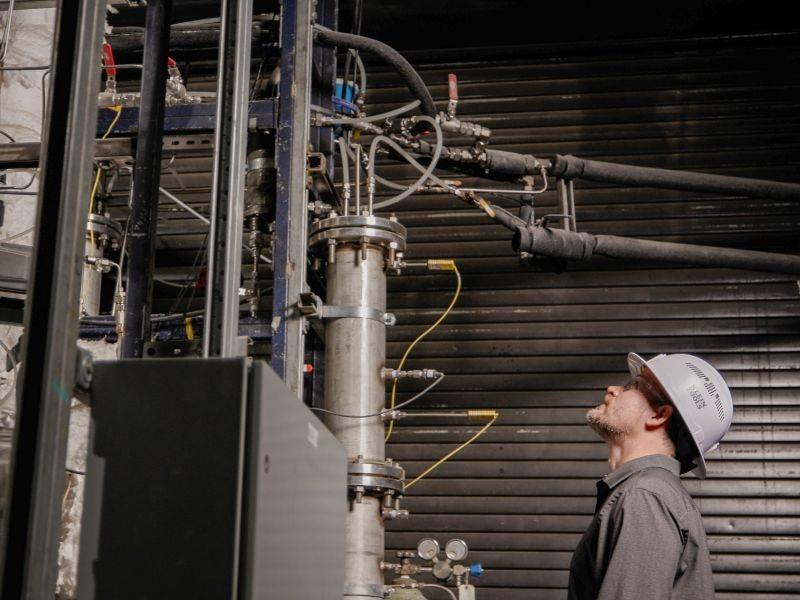
Core to the project is Arca’s technology. Currently being tested in its laboratory, microwaves have been shown to activate the ultramafic minerals in the rocks and tailings, making them hundreds of times more reactive to CO2 in the air. Once in contact with the atmosphere, CO2 becomes encased in a mineral form that could last for tens of thousands of years.
“Essentially, we’re making microwave popcorn out of the ultramafic minerals,” Dipple said.
Under the agreement, Arca plans to design a pilot system that could be deployed within the next year or so. It would contribute to an understanding of how the project could pan out if Turnagain is developed.
By end of the agreement, Arca hopes to have a plan and commitment to deploy the carbon removal technology with Giga.
“This gives us a timeframe under which to work together with Giga to really nail down the details on what the opportunity is and how specifically we would deploy our technology to realize that,” Dipple said.
Arca expects to have a “much firmer understanding of the economics of the opportunity” so an outline of the investment opportunity can be firmed up.
The Turnagain Project is described by Giga as one of the largest untapped nickel and cobalt resources in the world. The company expects over 37,000 tonnes of nickel and cobalt per year could be mined from the deposit. The project remains in the early stages with no date set for when operations could start.
As a Canadian company, Arca has a “very strong commitment” to launching projects in the country, Dipple said. Plus, Arca has built a good working relationship with Giga over the years and the Turnagain Project has the ideal geology for the test, he added.
Dipple was unable to give a lower-end estimate for the CO2 removal potential of the project, as the mine’s design and how Arca’s technology could be integrated remain uncertain. If Arca’s assessment of the project’s changes significantly, the company would make adjustments to its planning, Dipple said.
Supplying the carbon removal markets
To commercialize the project, Arca plans to work with the voluntary and compliance carbon markets to monetize carbon credits.
By capturing and sequestering CO2, the company would generate one credit per tonne of CO2 removed. Businesses could purchase those credits on the carbon markets to count toward their carbon accounting and climate targets.
CDR.fyi, a website that tracks the carbon removal market, pegs the cost of removing a tonne of carbon from under $100 (all figures US) all the way to $1,300. The technologies most like Arca’s cost over $300 per credit.
In the long run, Arca hopes to see a carbon removal credit consistently sold for under $100, Dipple said.
Arca’s other project
Other than its project with Giga, Arca is continuing on its effort to deliver on an offtake agreement it signed with Microsoft to remove 300,000 tonnes of CO2 over 10 years.
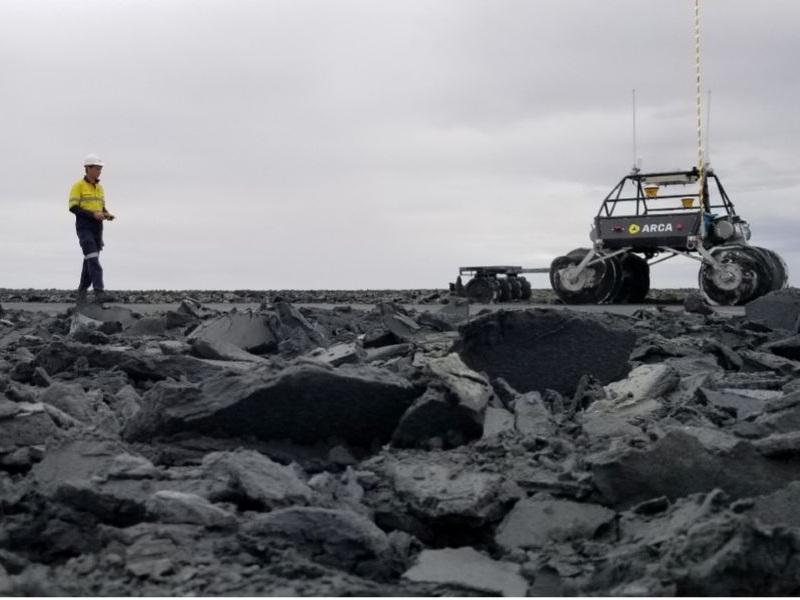
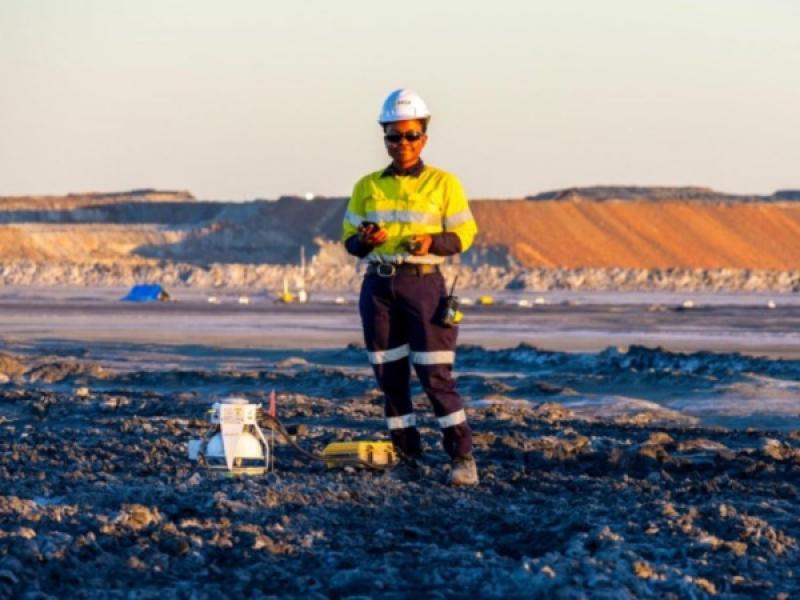
Arca plans to use another technology it has developed to mineralize CO2 from the atmosphere through unearthing carbon-sensitive minerals in mining wastes using remote-controlled rovers.
The Microsoft deal is Arca’s first long-term offtake agreement. Arca also has pre-purchase commitments with Shopify, Frontier and MaRS Discovery District.
The company will have more projects it expects to announce “shortly,” Dipple said.


 Industry Events
 Locations