



 Locations
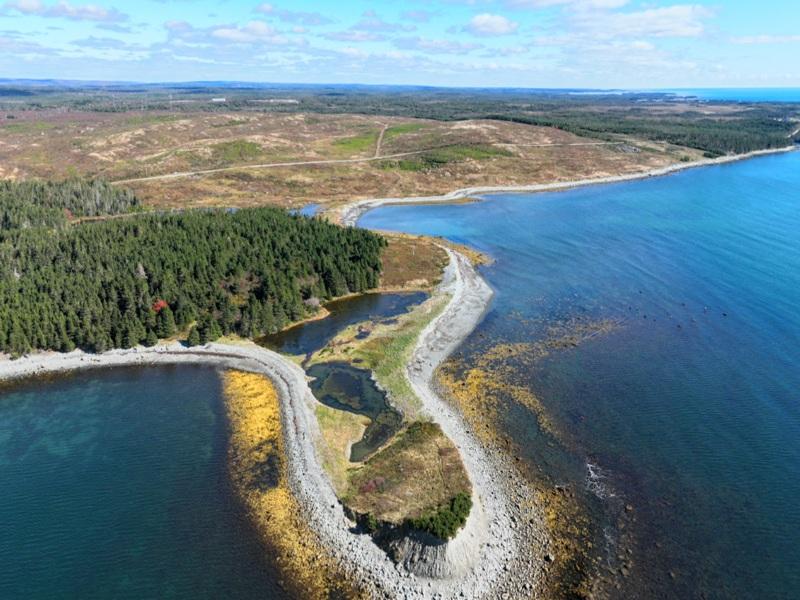





Vancouver-based communication technology company Telus (T-T) is making protection and restoration of ecosystems, Indigenous cooperation and the use of innovative technology central to its inaugural Biodiversity Position & Action Plan.
The company recognizes how its infrastructure and business operations can affect wildlife habitats, and is aiming to “stop and reverse” biodiversity loss with the strategy.
Human activities such as clearing land for agriculture have significantly affected three-fourths of the Earth’s land surface, the UN Environment Programme said, fuelling concerns over loss of wildlife, crop productivity and vulnerability to natural disasters.
Canada has lost 80 per cent of its original wetlands in and around urban areas, and one-fifth of species in the country were deemed at some level of risk of extinction in the Wild Species 2020 report.
Nature is “critical to long-term growth, healthy communities . . . and stronger economies,” Telus’s global head of sustainability and environment, social and governance Kim Rapagna said in an email exchange with Sustainable Biz Canada.
Telus’s biodiversity strategy
Telus’s plan is built on five pillars, the first being how it will assess and manage its impacts, risks and dependencies on nature. It intends to strengthen how biodiversity is integrated into its environmental management practices and supply chain, such as improving how construction-related impacts are assessed and tracked.
Second, to protect and restore ecosystems, Telus plans to use the services of its Environmental Solutions business. To address those ecosystems, such as boreal forests, prairies, watersheds and coastal areas, Telus is designing its projects to be carried out in collaboration with the rights holders and landowners, and provide its customers the opportunity to support nature restoration projects.
Telus works closely with private landowners to draw up tree planting plans and choose appropriate species to match local needs, Rapagna said.
The third pillar is Indigenous partnerships. Telus will prioritize, co-design and implement restoration projects with Indigenous nations. Those consultations include planting culturally significant species and creating employment opportunities as part of the restoration process.
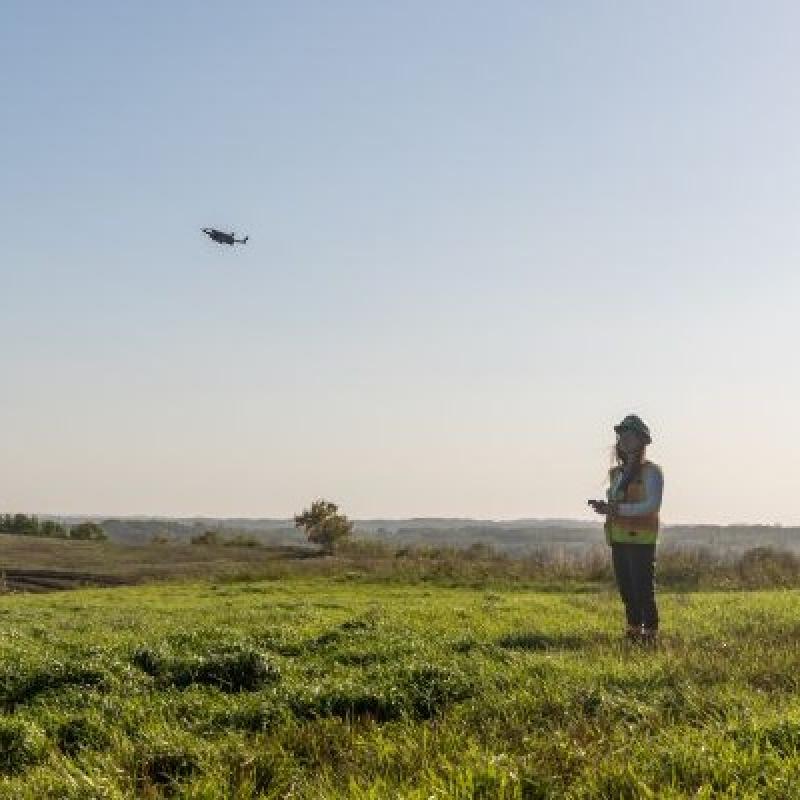
To enhance its nature-based programs, Telus' fourth goal involves the use of technologies to strengthen its biodiversity data collection and track progress over time. Those include: artificial intelligence-powered tools to identify species and analyze data, ground-based camera sensor networks and bioacoustic sensors to collect information on wildlife and track changes, and remote aerial sensing such as satellite imagery and drones.
Finally, to open up its methodology, Telus intends to establish monitoring protocols for its restoration projects, and where relevant, to work with partners and local communities to define project goals, collect data and disclose progress. Metrics will follow best-practice guidelines from the International Union for Conservation of Nature and the World Resources Institute, Telus said, and follow indicators such as hectares restored, the number of trees planted and habitat improvement.
Tree planting key to plan
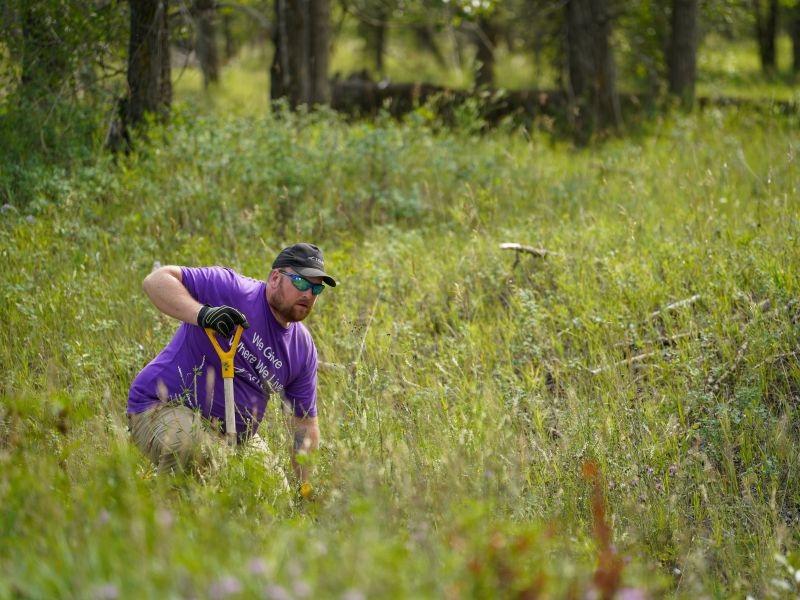
At the core of Telus’s biodiversity plan is to plant one million trees this year in partnership with Indigenous communities. The goal is built on collaborations with the Piikani First Nation and Blood Tribe in Alberta.
Planting trees helps sustain biodiversity, minimize soil erosion, protect against extreme weather and store carbon.
As not every seed, seedling and sapling will reach maturity, Telus aims to work with its partners and landowners to learn about the local ecology, conduct site assessments to understand environmental constraints, and choose the right tree species.
Telus expects to “collect local seed sources from the area to plant native stock specifically adapted to the local environment,” Rapagna said, “and conduct post-planting monitoring to understand what is establishing well and whether adjustments to our approach are needed.”
To date, Telus has planted over 26 million trees with its partners and customers, it said. Over 6.8 million trees were planted in 2025 by the company, according to its sustainability report for the year.
Telus’s Pollinator Fund, a $100-million initiative, is a vehicle for the company to invest in firms dedicated to climate resilience and biodiversity support efforts, such as Flash Forest (automated and drone-enabled reforestation) and Propagate (agroforestry and regenerative agriculture).
Telus’s sustainability targets
Beyond its biodiversity plan, Telus has set out to be net-zero across its value chain by 2040, which entails reducing its Scope 1, 2 and 3 emissions by 90 per cent. That includes cutting its business travel and employee commuting emissions by 46 per cent by 2030 and slashing its emissions from purchased goods and services, capital goods and use of sold products by 75 per cent per $1 million in revenue by 2030.
Telus said it is off track for its business travel and employee commuting emissions and purchased goods and services, capital goods and use of sold products targets.
The company, however, said it is on track to meet its 2040 net-zero target, having shrunk its Scope 1, 2 and 3 emissions by 23 per cent since 2019. It met its goal of reducing its Scope 1 and 2 emissions by 46 per cent by 2030 ahead of schedule, achieving a 79 per cent reduction as of 2025.





 Industry Events
 Locations
